




Introduction
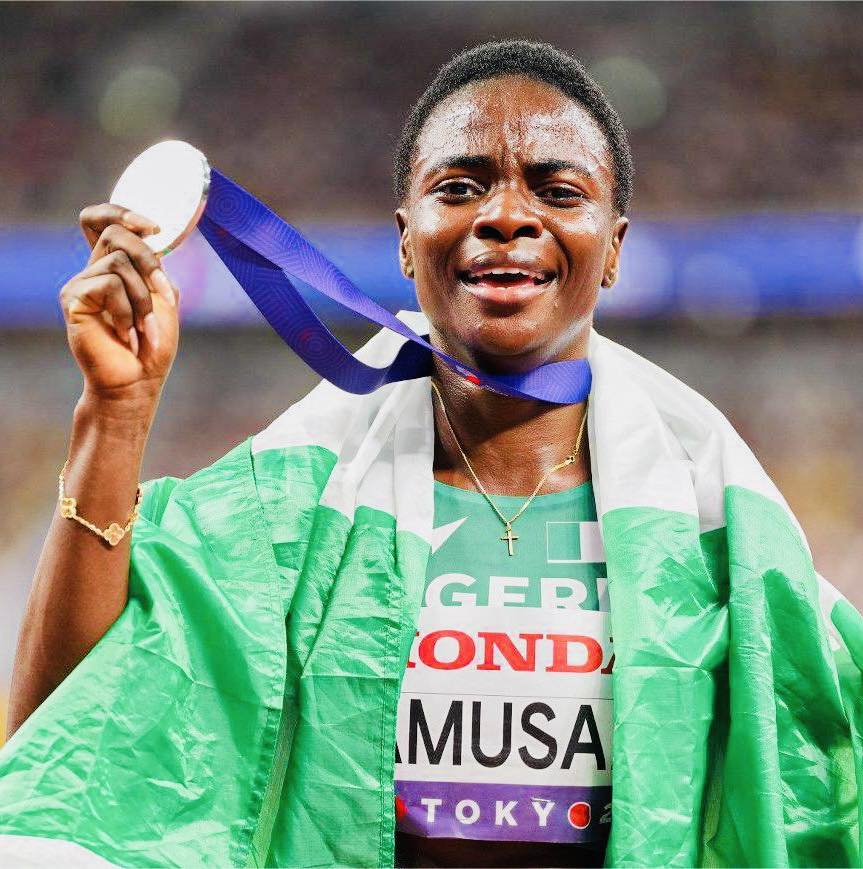
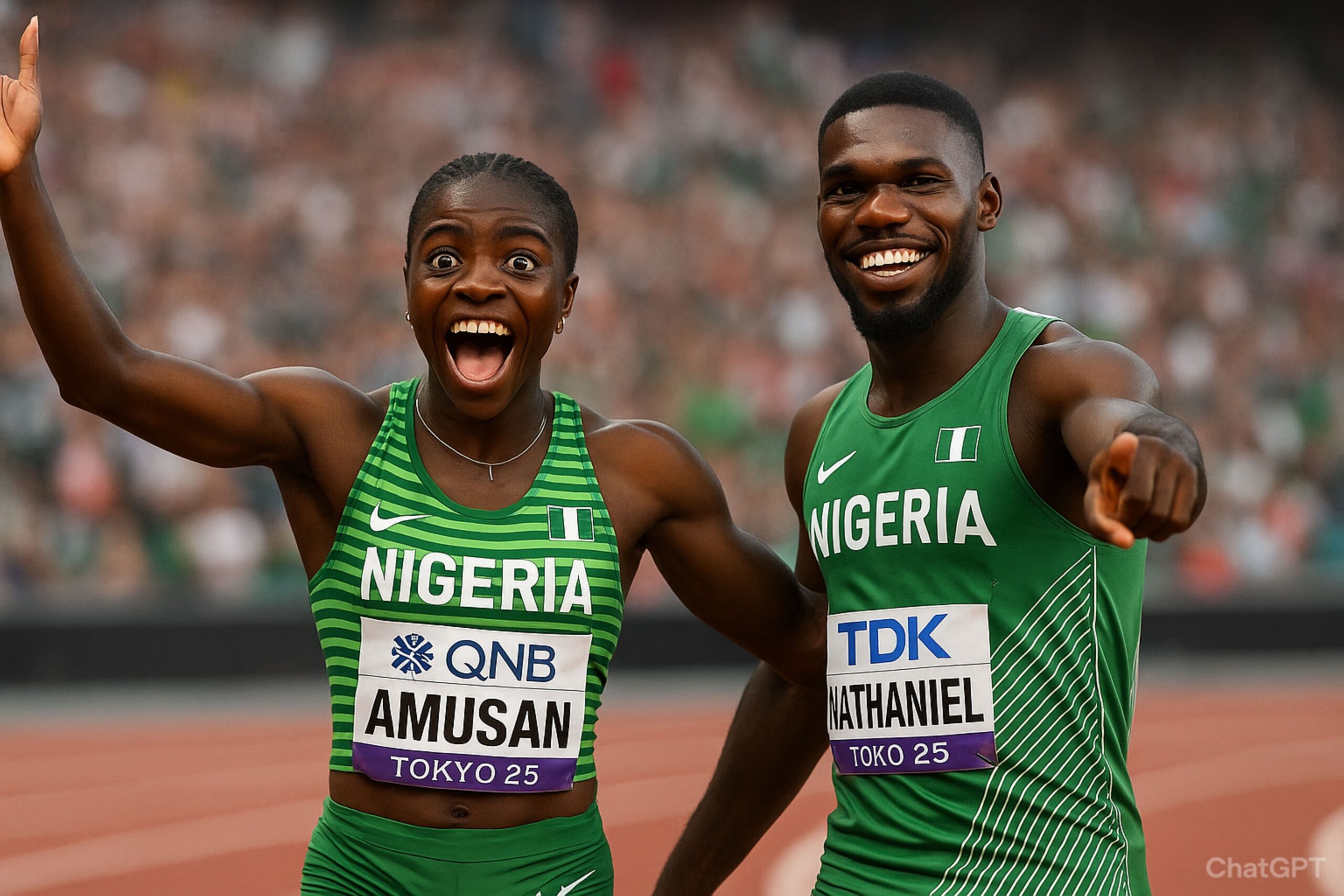
When Tobi Amusan clinched a silver medal in the women’s 100 m hurdles at the 2025 World Athletics Championships in Tokyo, running 12.29 s, and Ezekiel Nathaniel broke the Nigerian 400 m hurdles record and placed 4th, many Nigerians exhaled relief and pride.
But beneath the roar of celebration lies a troubling question: Are these individual triumphs papering over systemic decay in Nigeria’s athletics structure?
In this piece, we’ll walk through their feats, then peel back the layers to examine brain drain, funding deficits, administrative lapses, and comparisons with nations that seem to be doing “more with less.”
Celebrating the Victories — And What They Mean
Tobi Amusan: Consistent Excellence Amid Adversity
-
In Tokyo 2025, Amusan’s 12.29 s earned Nigeria its only medal (silver) at the championships.
-
That podium finish elevated her in the world rankings: from 9th to 3rd in the 100 m hurdles rankings, making her Nigeria’s highest-ranked athlete.
-
She is already Nigeria’s world record holder (12.12 s set in 2022) and remains a consistent force in global hurdles.
-
Her journey in Tokyo was not without tension: she had publicly criticized the Athletics Federation of Nigeria (AFN) for issuing kits in plastic bags and failing to provide shoes — a sharp reminder of infrastructure neglect.
These are not just wins on the track — they are symbolic beacons in a landscape starved of institutional support.
Ezekiel Nathaniel: The Rising Hurdles Star
-
Nathaniel ran 47.11 s in the 400 m hurdles final in Tokyo, just off the podium in 4th place. That performance broke the national record.
-
Earlier in 2025, at the Wanda Diamond League meet in Silesia, he lowered his prior national mark to 47.31 s.
-
Over the season, he shattered his own record five times, signaling a young athlete ascending rapidly.
-
His global ranking also surged: he climbed to 15th in the overall rankings and is inside the top 5 in his event.
Nathaniel is a bright new hope, representing perhaps the next generation of Nigerian track success. But his rise begs the question: Will the system carry him, or will he carry the system?
The Cracks Behind the Curtains: Is This an Illusion?
Heroism on the track is compelling. But the structural supports beneath Nigerian athletics are showing stress fractures. Here are key fault lines.
Brain Drain & Athlete Exodus
-
Several promising athletes have switched nationalities, citing a lack of support or better conditions abroad.
-
When talented athletes leave, it not only deprives future squads but sends a chilling signal to upcoming talents: “You’ll leave if you want to grow.”
-
Brain drain in sport is not unique to Nigeria, but the extent—especially without countermeasures—is alarming.
Chronic Underinvestment & Misallocation
-
Reports suggest that in Nigeria, athletes often struggle to get basic needs: kits, shoes, access to quality medical care, and travel support.
-
One former national athlete lamented that countries like Botswana and South Africa deploy $50,000 grants to medal-level athletes to groom them properly — Nigeria lacks anything comparable.
-
The inability of Nigeria to qualify a single relay team in Tokyo 2025 is a glaring indictment of planning and resource deployment.
-
The reduction in Nigeria’s team size (15 athletes in 2025) compared with earlier championships underscores qualification and administrative shortcomings.
Governance & Administrative Gaps
-
Inadequate leadership, inconsistent policy, delays in funds disbursement, and lack of long-term strategic planning are often cited as recurring problems.
-
The AFN’s kit fiasco at Tokyo, where athletes reportedly received gear in plastic bags and, in some cases, no shoes at all, is emblematic of sloppy execution.
-
A few have continued to call for accountability, but the cycles of neglect and crisis response persist.
Dependence on Individual Stars
-
Nigeria’s international athletics reputation has become tethered to a few stars — Amusan, and to a lesser extent, Brume or others.
-
When a star underperforms or ages, the fragile system has little buffer.
-
It’s a high-wire act: success rests on individuals rather than systems.
Africa’s Track Giants: Kenya, Botswana & Beyond
To see how far behind Nigeria is, it helps to look sideways.
-
Kenya remains a global athletics powerhouse, especially in distance events. Their consistent pipeline of talent, government support, and institutional athletics culture give them depth and resilience.
-
Botswana, often underestimated, has in recent years produced world-class sprinters and 400 m athletes. Their approach to athlete funding and incentivization is widely lauded in African sports circles.
-
Whereas Nigeria produces occasional world-class athletes, countries like Kenya and Botswana seem to maintain sustained competitiveness and depth across multiple disciplines.
Nigeria could aspire to be in that category — but only if it invests, institutionalizes, and stops relying on heroic feats.
Conclusion: The Heroics Are Real — But Not Sufficient
Tobi Amusan’s silver and Ezekiel Nathaniel’s record-breaking burst are not illusions. They are bright, hard-earned affirmations that Nigeria can compete at the highest levels.
Yet, those victories should not mute critical reflection. They must not be used as cover for chronic neglect, mismanagement, and the stagnation that threatens the next generation.
If Nigeria allows itself to coast on a few stars, the moment those stars fade or depart, the system will collapse. True transformation will depend on:
-
Sustained investment (grants, infrastructure, support)
-
Systemic talent development from grassroots to elite
-
Accountable governance and transparent administration
-
Policies to retain athletes — or to make staying in Nigeria an attractive option
Because in sport — as in every field — longevity matters more than flash.
#NigerianAthletics#TobiAmusan#EzekielNathaniel#NigeriaSportsCrisis#AthleticsNigeria#BrainDrain#SportsFunding #AfricanAthletics#KenyaVsNigeria#BotswanaTrack#TrackAndFieldAfrica#SportsPolicyNigeria#AthleteSupport