There is a specific kind of heartbreak known only to the Nigerian football fan. It’s that familiar sting of “what could have been,” usually followed by a sudden, defiant surge of “we are still the best.”
Just a few months ago, many of us had written off the Super Eagles. The road to the 2026 FIFA World Cup seemed blocked, the rhythm was off, and the spirit felt dampened. But then came the 2025 Africa Cup of Nations (AFCON) in Morocco, and everything changed.
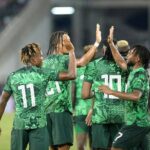
The Eagles didn’t just play; they soared. With a bronze medal finish and a masterclass in resilience, they reminded the world—and more importantly, themselves—that they are still the giants of Africa.
From 38th to 26th: The Numbers Don’t Lie
The most recent FIFA rankings tell a story of a dramatic comeback. Climbing 12 places to 26th in the world (and 3rd in Africa), the Super Eagles are officially back in the elite conversation. This isn’t just a statistical jump; it’s a reflection of a team that won six out of seven matches in Morocco, displaying a defensive grit and clinical edge we haven’t seen in years.
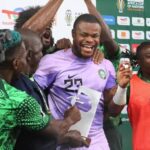
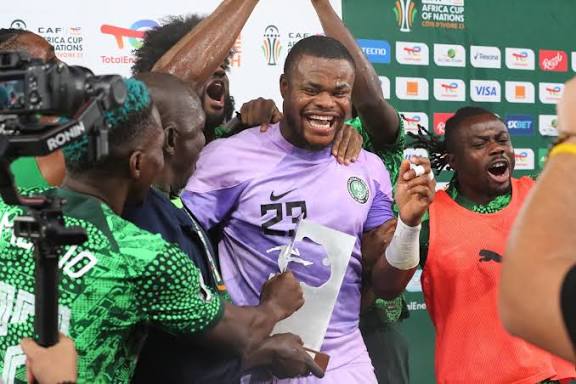
Seeing Ademola Lookman weave through defenses and Stanley Nwabali command his area with such confidence makes it feel like a crime against football that this squad might not be in North America in 2026.
The “Backdoor” Hope: The NFF vs. DR Congo
While the fans were celebrating the AFCON performance, the Nigeria Football Federation (NFF) was busy in the boardroom. The news that the NFF has filed a formal petition to FIFA against the Democratic Republic of Congo (DRC) has reignited a flicker of hope.
The crux of the matter? Player eligibility. The NFF alleges that several DRC players—including high-profile names like Aaron Wan-Bissaka—were fielded despite not being legally eligible under Congolese law, which strictly forbids dual citizenship.
- The Argument: If these players hold European passports, they shouldn’t technically hold a Congolese one.
- The Stakes: If FIFA finds the DRC in breach, the results of the playoff (which Nigeria lost on penalties) could be overturned.
Critics call it a “backdoor” attempt, but for the Nigerian fan, it’s about the integrity of the rules. If we played by the book, everyone else should too.
A Human Angle: More Than Just a Game
For Nigerians, the Super Eagles are more than a sports team; they are a rare unifying force. In a time of economic hurdles and national challenges, those 90 minutes of football are a sanctuary.
We saw it in the Lagos watch parties and the cheers in Abuja during the AFCON third-place match against Egypt. We saw a team that had lost its way find its soul again. It is this “new” version of the Eagles—the one that fights for every ball and plays with “Naija” pride—that we want to see on the world stage.
The Verdict
The Super Eagles have done their part on the pitch by proving they are among the best in the world right now. Now, the battle shifts to the corridors of FIFA. Whether it’s through a legal technicality or a stroke of fate, one thing is certain: A World Cup without the Super Eagles is a World Cup missing its heartbeat.