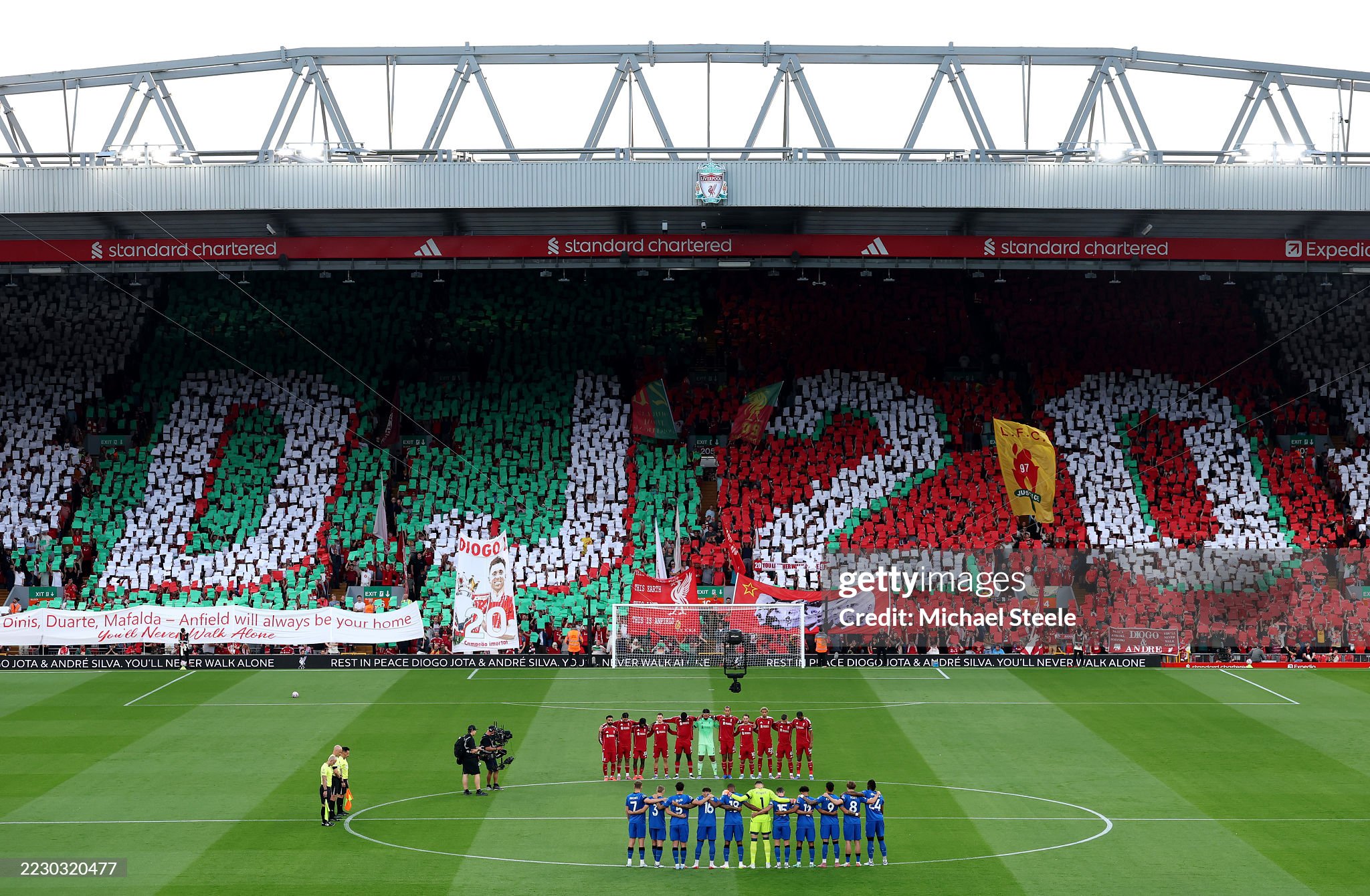





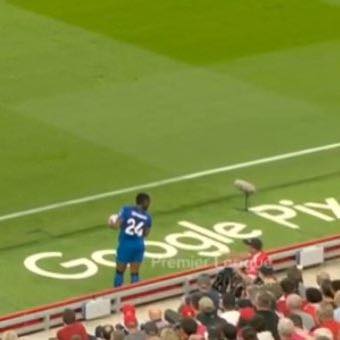
 The recent case of Bournemouth player Antoine Semenyo being racially abused during a Premier League match is a stark and painful reminder that the scourge of racism continues to haunt football. The incident, which occurred during the season opener against Liverpool, saw play halted as Semenyo reported the abuse, leading to the ejection of a fan and a police investigation. It is a moment that resonates deeply with Black players and fans, highlighting a persistent problem that transcends the boundaries of the beautiful game.
For Black players, these moments are not just isolated incidents; they are a crushing weight that they carry with them. They are a constant reminder that no matter their talent, their dedication, or their success, they are still seen by some through the lens of their skin color. It’s a profound betrayal, a feeling that a space they have dedicated their lives to, and which is celebrated for bringing people together, can also be a source of profound hurt and dehumanization. The image of a player having to stop in the middle of a game—a moment of intense focus and passion—to confront this ugly reality is heartbreaking. It is a testament to their strength that they continue to play, to score goals, and to excel, as Semenyo did after the incident. Yet, the question remains: When will it stop?
The genesis of racism in football is not a new story. It is deeply rooted in the broader history of racial prejudice and discrimination in society. In the early days of the sport, Black players were a rarity, and those who broke through faced immense challenges. Pioneers like Walter Tull in the early 20th century, or later, players like Cyrille Regis and John Barnes in the 1970s and 80s, were subjected to vile abuse, including monkey chants and bananas thrown onto the pitch. This was an era when racism was rampant on the terraces, often fueled by far-right political groups.
While football has made strides in combating racism with campaigns like “Kick It Out” and the gesture of “taking a knee,” the Semenyo incident shows that these efforts, while important, have not been enough to fully eradicate the problem.4 The rise of social media has also given a new platform for racist abuse, with players often targeted online in ways that are difficult to police and combat. This new front in the battle against racism makes it even more insidious, allowing perpetrators to hide behind anonymity and spread their hate with ease.
The truth is, we don’t need racism in our midst. It has no place in football, in sports, or any part of society. The idea that one’s skin color should determine their worth, their acceptance, or how they are treated is an antiquated and dangerous notion. It is a philosophy built on ignorance and fear, and it robs us of the rich tapestry of human experience and talent that diversity brings. Football, at its best, is a microcosm of a diverse and united world, where people of all backgrounds come together to celebrate a shared love for the game. When a player is racially abused, it shatters this ideal, and the whole community is diminished.
The responsibility to end racism rests not only with football authorities, but with every fan, every player, and every person. It requires a collective commitment to call out and condemn racism whenever it appears, to educate ourselves and others on its harmful effects, and to create a culture where such hatred is simply not tolerated. The support shown to Antoine Semenyo by his teammates, the Liverpool players, and the wider football community is a small but powerful step in the right direction. It shows that in the face of hate, there is a community willing to stand in solidarity. But for the sake of Antoine Semenyo, and for all Black players who have been and will be subjected to this vile abuse, we must do more. We must not rest until the question “When will racism stop in football?” is no longer a question at all.