




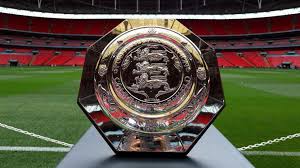
The status of the Community Shield is a perennial and often passionate debate within English football, placing the trophy in a unique and somewhat ambiguous position.
Arguments for its Importance:
The Football Association unequivocally recognizes the Community Shield as an official, competitive fixture and England’s domestic ‘super cup’. For participating clubs, it represents a tangible piece of silverware that can be added to their trophy cabinet. Both new Liverpool manager Arne Slot and Crystal Palace boss Oliver Glasner have expressed genuine enthusiasm for the match, viewing it as a valuable “chance to win something at the beginning of the season” and highlighting that it is “much better than playing friendlies”. New signings, such as Liverpool’s Hugo Ekitike, also articulate its significance, seeing it as their “first chance to win silverware” and expressing a desire to “win everything”. Even highly successful managers like Pep Guardiola count it as a major trophy.
Beyond the silverware, the match serves as the official “curtain-raiser” for the new season, generating considerable excitement and offering an early showcase of the talent and potential of England’s top clubs. It provides a crucial competitive environment for managers to test new tactics, integrate new players, and assess squad readiness before the rigorous Premier League season commences. Furthermore, the competition maintains its philanthropic spirit, with proceeds from the match historically and still directed towards community-based projects associated with football, reinforcing its commitment to broader societal benefit.
Arguments Against Its Significance:
Despite its official competitive status, many within football, including legendary former Manchester United manager Sir Alex Ferguson, have historically dismissed the Community Shield as a “ceremonial friendly” or primarily a “barometer for fitness” rather than a “do or die thing”. John Brewin, a journalist, also notes that it “retains a status of glorified friendliness”.
A key argument against its significance is its historical unreliability as an indicator of future success. Since the inception of the Premier League in 1992, only eight clubs that won the Community Shield have gone on to become league champions in the same season, with Manchester City in 2018–19 being the last instance. For a significant segment of fans and pundits, the “major” domestic trophies in English football are exclusively considered to be the Premier League, the FA Cup, and the League Cup. The Community Shield, while a trophy, often does not carry the same weight or prestige as these established competitions.
Does Winning it Define a Successful Season?
Unequivocally, no, winning the Community Shield alone does not define a successful season. While it provides a valuable psychological boost, offers early silverware, and serves as a competitive test, it is merely the initial step in a long and arduous campaign. For a club of Liverpool’s stature, as the reigning Premier League champions, a truly successful season would entail a sustained challenge for the Premier League title, deep progression in European competitions, and potentially the addition of another major domestic cup. For Crystal Palace, having just celebrated their historic first major trophy, a successful season would likely involve solidifying their position in the top half of the Premier League table, making a strong push for European qualification (either through league performance or another cup run), and continuing the development of their exciting young talents. The Community Shield is a positive start, a welcome bonus, but it is not the ultimate measure of a season’s overall success.
The Community Shield occupies a unique and paradoxical space in English football; it is officially recognized as competitive yet frequently treated as a pre-season friendly. This inherent dual nature means its perceived importance is highly subjective and largely contingent on the individual club’s immediate goals and broader long-term ambitions. For a club like Crystal Palace, winning its first major trophy and then immediately competing for another significantly elevates its importance. Conversely, for a perennial winner like Liverpool, it serves more as a means to maintain winning habits and integrate new players. Thus, the perceived substance of the trophy is relative to the specific context of the participating clubs.
Looking Ahead: What This Match Means for the Season
The Community Shield offers more than just a trophy; it provides a tantalizing glimpse into the strategic approaches and squad dynamics that will define the upcoming Premier League season. For Liverpool, this match marks Arne Slot’s official competitive debut, providing a crucial opportunity to observe how his new-look squad performs under pressure and how swiftly new signings like Florian Wirtz, Hugo Ekitike, Milos Kerkez, and Jeremie Frimpong integrate into his refined tactical system. Their performance at Wembley will undoubtedly set the initial tone for their Premier League title defense.
For Crystal Palace, the Community Shield is an invaluable opportunity to build upon their historic FA Cup triumph and to demonstrate that their impressive late-season form under Oliver Glasner was not an anomaly. Despite the significant loss of Michael Olise and ongoing key injuries, a strong showing against the reigning Premier League champions would powerfully reinforce their growing confidence and signal their intent to push higher up the table in the new campaign.
This Community Shield match will serve as a condensed representation of the overarching challenges each team is likely to face throughout the entire season. For Liverpool, it is about effectively managing squad depth, seamlessly integrating new talent, and adapting to life without key departed players. For Crystal Palace, it is about demonstrating resilience in overcoming significant key injuries and the substantial loss of a star player, all while striving to build upon their recent, historic success.
Ultimately, while the Community Shield itself may not be the definitive measure of a season’s success, it provides invaluable competitive minutes, allows for the testing of new strategies and player combinations, and offers an early psychological advantage. It serves as the first true competitive barometer, shaping initial expectations and narratives for the thrilling football campaign that lies ahead.