



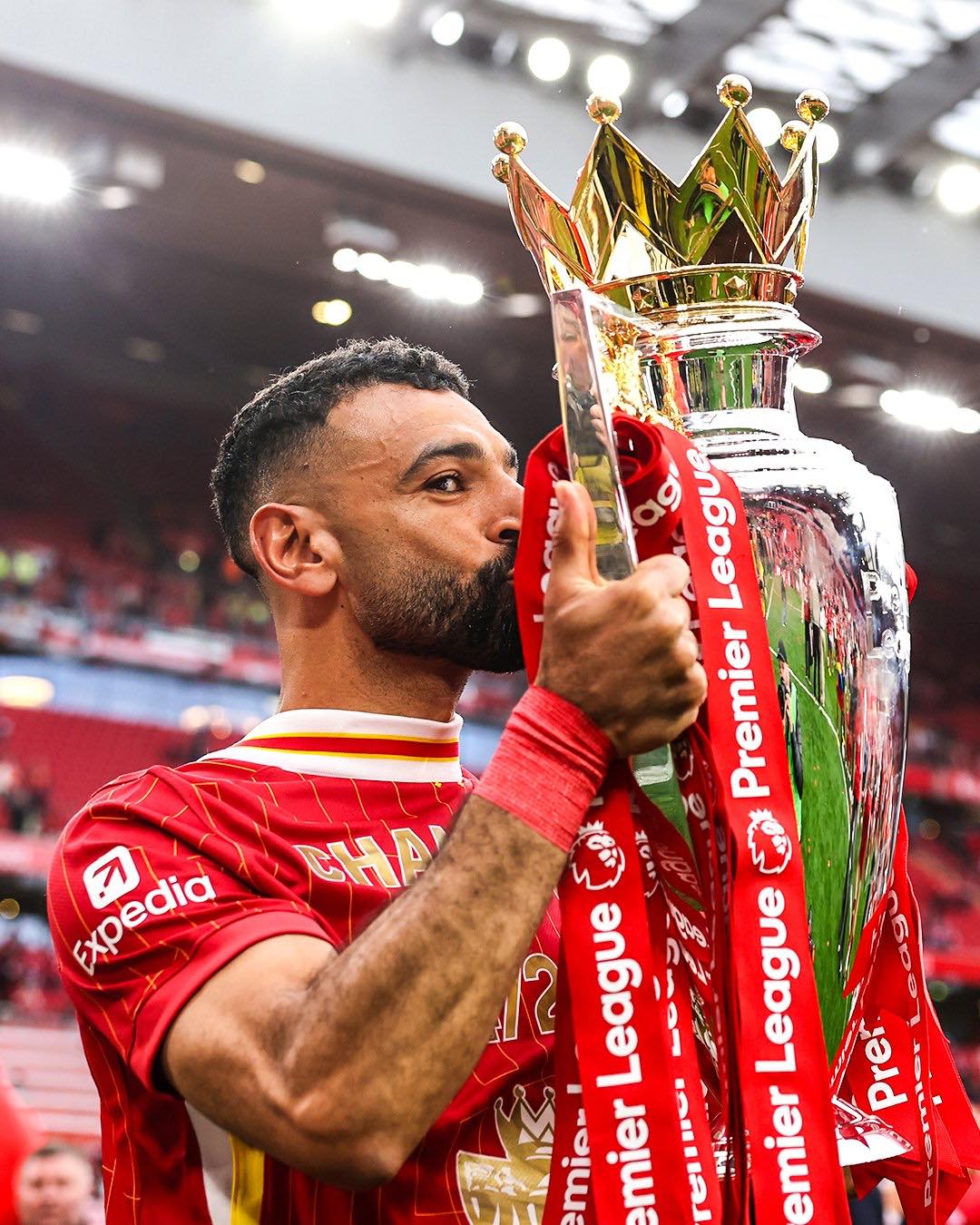
Football has always been emotional, unpredictable, and brutally honest. And in the eye of its current storm sits one man: Mohamed Salah — African icon, Liverpool legend, and arguably one of the most influential Premier League forwards of his generation.
The question now burning across football debates is simple yet layered:
Did Salah speak too early?
Did Liverpool quietly throw him under the bus?
Or should he have stayed calm and fought for his space in the team?
To understand this moment, you must look at both the man and the club — because this story is bigger than football. It’s about pride, loyalty, evolution, and identity.
Salah: A National Treasure and Continental Pride
You don’t need to be Egyptian, Arab, or African to feel Salah’s impact.
He’s more than goals. More than records. More than headlines.
As an African myself — and even as a Manchester United fan — I can boldly say: Salah is a treasure.
Yes, he has tormented my team for years.
Yes, he always finds a way to score against us.
Yes, he has caused heartbreak after heartbreak.
But greatness is undeniable.
You cannot hate a player who combines:
-
elite consistency
-
ridiculous goal numbers
-
humility
-
global influence
-
and the ability to carry both club and country
Players like this don’t come often.
And that’s why the current tension between him and Liverpool hits differently.
Did He Speak Too Early?
Or Was He Simply Defending His Legacy?**
When Salah hinted at dissatisfaction — whether about tactics, game-time, or his long-term role — critics said he “spoke too early.”
But players who have delivered what Salah delivered for Liverpool earn the right to express themselves.
His frustration wasn’t ego.
It was a response to feeling gradually pushed aside in a system he helped build.
When you’re one of the greatest players in Liverpool’s history, watching your influence fade — without clear communication — is painful.
Salah is human.
Did Liverpool Throw Him Under the Bus?
Not openly.
But indirectly? Maybe.
Football clubs evolve.
Managers refresh the squad.
Younger talents emerge.
But the real question is:
Did Liverpool manage Salah’s transition with enough respect?
At times, it didn’t feel like it.
-
His role diminished.
-
Tactical systems shifted.
-
The club’s body language suggested they were preparing for a future without him.
For a man who resurrected Liverpool’s global relevance, this felt cold.
Maybe they didn’t throw him under the bus —
But they definitely let the bus move without checking if he was still on board.
Should Salah Have Stayed Calm and Fought?
Salah’s career is literally built on fighting:
-
rejected at Chelsea
-
rebuilt in Italy
-
conquered England
-
became Africa’s biggest football figure today
But at 33, with his legacy secured, his medals earned, and his name written in Premier League history…
What is left to “fight” for?
Sometimes fighting becomes unnecessary.
Sometimes evolution is the next step.
And maybe that is where Salah stands today — moving from star player to club icon, from present contributor to eternal legend.
How Have Liverpool Fared Without Him?
This is where things get clearer.
Liverpool without Salah is like:
-
Madrid without Cristiano
-
Barca without Messi
-
Tottenham without Kane
They survive.
They compete.
But the identity changes.
1. Less fear factor
Defenders no longer panic when the right wing lights up.
2. Creativity and finishing drop
Liverpool still creates chances — but the clinical edge Salah brought is missing.
3. Leadership void
Salah’s presence in the dressing room was underrated.
You feel his absence now.
4. The replacements are good — but not Salah-level, and the squad has changed dramatically
With the departures and painful tragedies Liverpool has endured, the attacking line is no longer what it used to be.
-
Luis Díaz is no longer at the club.
-
Diogo Jota, may his soul rest in peace, is no longer alive — a loss that shook the club and the entire football world.
-
Darwin Núñez has also moved on.
What remains is a frontline still searching for identity, chemistry, and a talisman.
No one has stepped into Salah’s shoes — not in consistency, not in influence, and not in pure attacking quality.
Liverpool is rebuilding, but rebuilding becomes ten times harder when you lose:
-
a legend (Salah),
-
your supporting cast (Diaz, Núñez),
-
and a beloved attacker (Jota) in heartbreaking circumstances.
Replacing Salah alone is difficult.
Replacing the entire structure around him is almost impossible.
Salah’s Legacy: Beyond Liverpool, Beyond Africa
Even if you’re not a Liverpool fan — like me — you appreciate greatness.
Salah didn’t just elevate Liverpool.
He elevated African football.
He became:
-
a global Muslim icon
-
a beacon of hope in Egypt
-
a role model from Lagos to Nairobi
-
one of Africa’s most decorated players ever
If this is the sunset phase of his Liverpool career, fans must cherish what they witnessed.
This is not just a chapter ending.
It’s a football era closing.
CONCLUSION
So, did Salah speak too early?
No — he spoke as a man protecting his legacy.
Did Liverpool mishandle parts of his transition?
Yes — even if unintentionally.
Should he have fought for his place?
Maybe — but not at the expense of dignity.
This story is about more than football. It’s about evolution, pride, respect, and identity.
But one truth stands unshaken:
Mohamed Salah remains a generational gem — African or not.
#MohamedSalah #Salah #LiverpoolFC #LFC #SalahLegacy #AfricanFootball #PremierLeague #FootballAnalysis #EPL #SportsBlog #YNWA #FootballTalk