





Introduction: The Alarm Bell Has Rung
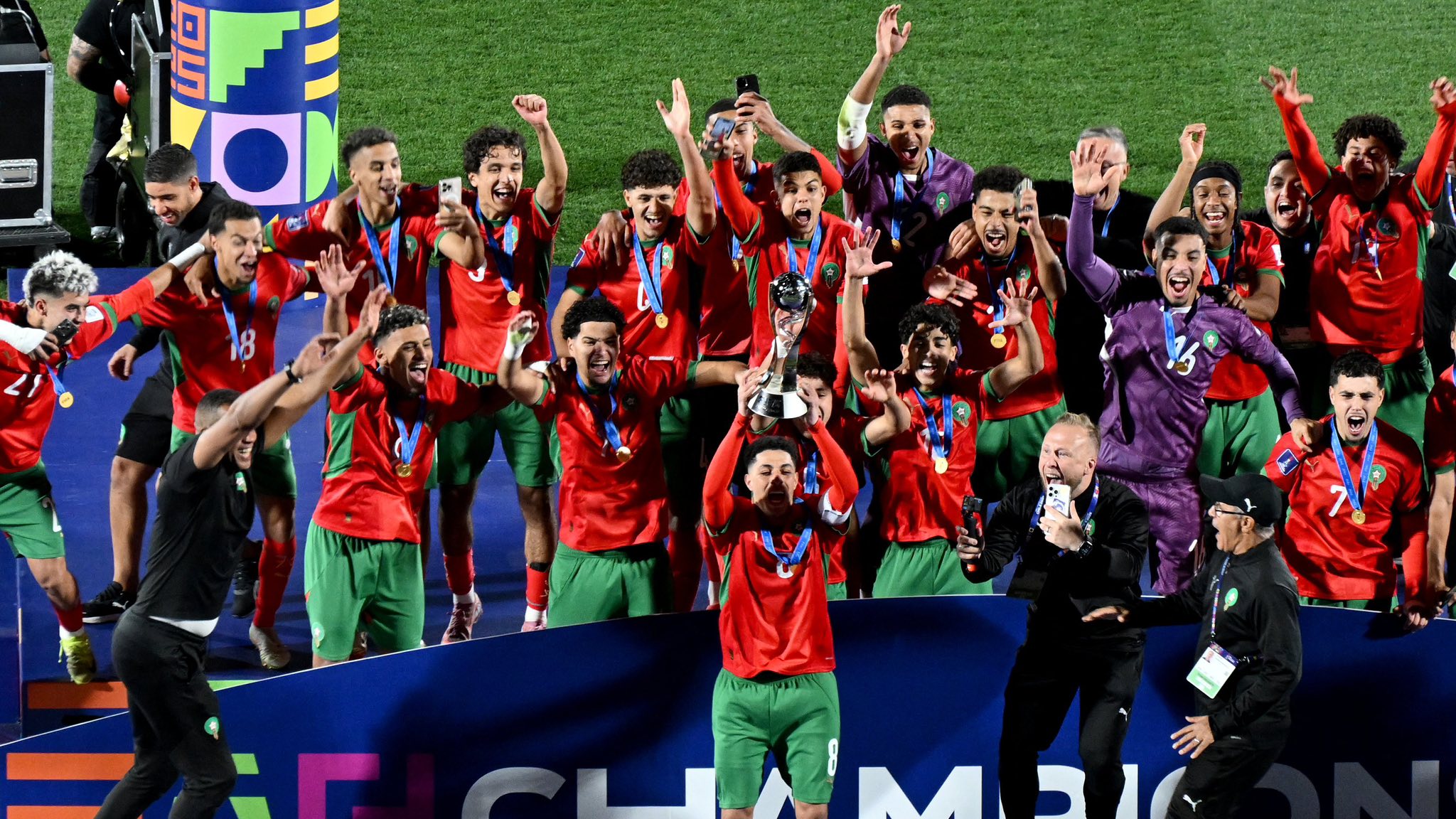
When Morocco lifted the FIFA U-20 World Cup trophy, the entire football world took notice. It wasn’t just a historic achievement for North Africa—it was a statement of intent. While Nigeria once stood as the continental powerhouse in youth football, Morocco’s triumph is a glaring reminder that our dominance is fading.
The truth is painful but clear: Nigeria’s youth football success stories are no longer a result of structure but of coincidence. And if the country does not act fast, we risk being left far behind—not just by Morocco, but by emerging African football nations investing heavily in youth development.
Morocco’s Rise: The Result of a Long-Term Vision
Morocco’s U-20 World Cup success didn’t happen overnight. It was a product of consistent planning, investment, and commitment to grassroots football.
Here’s what Morocco has done right:
-
🏗️ State-of-the-art facilities: The Mohammed VI Football Complex in Salé is one of the best in Africa, boasting multiple training pitches, sports science centers, recovery units, and dormitories for young athletes.
-
🎓 Coaching education: The Moroccan Football Federation (FRMF) invests in developing local coaches, ensuring that young players are groomed under modern football philosophies.
-
🌍 Global exposure: The country regularly sends its youth teams for international camps and competitions, bridging the gap between African and European standards.
-
⚽ Structured progression: From U-15 to U-23, there’s a clear pathway to the national team—meaning talented players don’t get lost in the system.
Even now, as Morocco hosts the U-17 Women’s World Cup, they are once again showing Africa how preparation meets opportunity. The facilities, organization, and talent on display reflect a football ecosystem built for sustainability.
Nigeria’s Problem: Accidental Success, No Structure
Nigeria’s history at the youth level is illustrious—five-time U-17 World Cup champions and two-time U-20 runners-up. Yet, our senior national team continues to struggle for consistency, lacking the technical identity and continuity we once dreamed of.
Why?
Because our success at the youth level has been mostly accidental, not intentional.
The systemic failures include:
-
⚠️ Poor transition system: Most youth stars fade after U-17 or U-20 tournaments because there’s no structured progression into professional or senior national setups.
-
🧑🏫 Lack of investment in coaching: Our coaches are rarely exposed to modern methodologies or developmental psychology needed to nurture young talent.
-
🏟️ Inadequate facilities: Many Nigerian academies still train on poor pitches without proper medical or fitness support.
-
💸 Corruption and mismanagement: Talent identification is often clouded by favoritism or a lack of merit-based selection.
The result? Talent waste, inconsistency, and missed opportunities.
Why Nigeria Must Act Now
The football landscape is shifting fast. Morocco, Senegal, Egypt, and even smaller nations like Mali are building their football from the ground up.
If Nigeria continues to rely on “raw talent” instead of systems, we’ll soon lose our position as Africa’s most naturally gifted football nation.
It’s time for:
-
A National Youth Football Blueprint: An organized framework from grassroots to professional level, emphasizing player education, welfare, and transition.
-
Football Academies Reform: Licensing and monitoring academies to ensure professionalism and meritocracy.
-
Investment in Infrastructure: Build regional training centers and ensure state FAs focus on grassroots leagues.
-
Data-driven development: Adopt sports science, analytics, and scouting tools used globally to track player progress.
Without these steps, our next “golden generation” might never arrive—or might simply fade like the ones before.
Conclusion: The Future Won’t Wait
Nigeria stands at a crossroads. The rise of youth football elsewhere, particularly in Morocco, is not just a headline—it’s a warning. The world is evolving, and African nations are proving that success is no longer about luck, but strategy and investment.
If we fail to act, the same Morocco we once outclassed at the U-17 level will soon outshine us at every stage of world football. The time for excuses is over—Nigeria must rebuild its football from the roots.
#NigeriaFootball #YouthDevelopment #MoroccoFootball #AfricanFootball #SuperEagles #FootballReform #GrassrootsFootball #U20WorldCup #FIFAU17 #FutureOfFootball #SportsInAfrica