





Premier League Matchweek 6 was defined by shock upsets, moments of individual brilliance, and a clear pattern of set-piece specialization. The results immediately reshaped the league table, emphasizing that psychological resilience and decisive managerial adjustments are often the difference between three points and none.
The key narratives emerging were the psychological crisis at Manchester United, the ruthless exploitation of the red card by Brighton, and the dominance of set pieces as a decisive tactical weapon across multiple fixtures.
Matchweek 6 Tactical Breakdown: Key Moments and MoMs
1. Brentford 3-1 Manchester United: Character Questioned
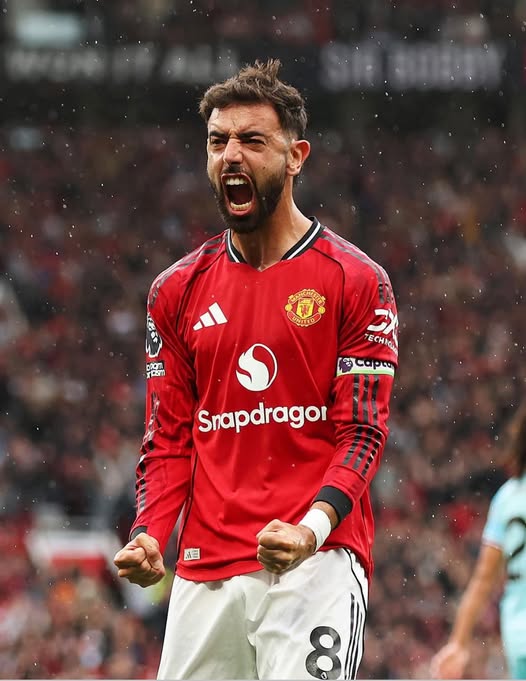
Brentford leveraged a high-intensity start against a disorganized Manchester United (4-2-3-1), resulting in a chaotic defensive showing. Igor Thiago scored a clinical brace inside 20 minutes, capitalizing on United’s early panic. The crucial turning point was Caoimhín Kelleher’s penalty save on Bruno Fernandes, extinguishing United’s hope of a comeback. Post-match, the focus was squarely on United’s systemic “lack of character”.
- Man of the Match: Igor Thiago
- Key Tactical Takeaway: Brentford’s psychological composure won the day against a visibly fragile United defence
2. Chelsea 1-3 Brighton & Hove Albion: Red Card Reckoning
Chelsea (4-3-3) took the lead via Enzo Fernández, but the game pivoted entirely on Trevoh Chalobah’s 53rd-minute red card. Brighton manager’s tactical substitutions proved decisive; Danny Welbeck was introduced and scored a pivotal late brace (77’, 90+10’). The introduction of Mats Wieffer also injected vital energy, allowing Brighton to ruthlessly punish the 10-man opposition.
- Man of the Match: Enzo Fernández (Individual brilliance)
- Key Tactical Takeaway: Brighton’s expert use of fresh offensive substitutes to exploit the numerical advantage.
3. Crystal Palace 2-1 Liverpool: Glasner’s Work Ethic
Crystal Palace achieved a major upset rooted in disciplined defense and superior game management. Coach Oliver Glasner credits the win to the team’s non-stop “work ethic” to prevent the opponent from scoring. The winning goal was a pure testament to this philosophy, engineered entirely by three players brought off the bench, including the decisive strike from
Eddie Nketiah.
- Man of the Match: Eddie Nketiah (decisive goal)
- Key Tactical Takeaway: Exceptional in-game management, with substitutes being perfectly integrated into Glasner’s high-intensity system.
4. Manchester City 5-1 Burnley: Routine Dominance
Manchester City’s comprehensive win was predictable given Burnley’s league-worst Expected Goals Against (xGA) metric of 10.47.
Matheus Nunes was a standout, scoring one goal and assisting another, showcasing his influential role in midfield. City’s high pressure also forced two own goals (OGs), underscoring their relentless offensive intensity.
- Man of the Match: Matheus Nunes
- Key Tactical Takeaway: Exploiting statistical defensive weaknesses for maximal offensive returns.
5. Leeds United 2-2 AFC Bournemouth: The Set Piece Paradox
Leeds (4-3-3) dominated possession and created enough clear-cut chances to win “two Premier League games” but lacked clinicality in open play. Ironically, their two goals came exclusively from corners, scored by
Joe Rodon and Sean Longstaff. Bournemouth snatched a point late on via
Eli Kroupi’s injury-time volley, highlighting their “never-say-die attitude”
- Man of the Match: Sean Longstaff
- Key Tactical Takeaway: Leeds’ severe disconnect between chance volume (19 shots) and open-play efficiency.
6. Tottenham Hotspur 1-1 Wolverhampton Wanderers: Pressure Mounts
Spurs were held at home by a defensively solid Wolves side, requiring a late goal to salvage a point. Santiago Bueno was instrumental, scoring the 54th-minute goal and anchoring a “solid defensive performance” for Wolves. Wolves’ manager made strategic halftime substitutions to maintain their structure and absorb pressure .
- Man of the Match: Santiago Bueno
- Key Tactical Takeaway: Wolves’ effective defensive structure frustrated the home side, extending their unbeaten run against Spurs to three games.
7. Aston Villa 3-1 Fulham: Emery’s Comeback
Aston Villa showed strong character to overcome an early Raúl Jiménez goal (3’). Ollie Watkins scored a crucial, lobbed equalizer just before halftime, preventing panic. Goals from John McGinn and Emiliano Buendia sealed the comeback win in the second half, demonstrating Unai Emery’s effective tactical shift and psychological impact at the break
- Man of the Match: Ollie Watkins
- Key Tactical Takeaway: Mental fortitude and decisive recovery from an early deficit post-European fixture.
8. Newcastle United 1-2 Arsenal: Defining Stoppage Time
Arsenal reaffirmed their title credentials with a dramatic 90+6 winner at St. James’ Park. The winning goal, scored by
Gabriel, as sourced from a “brilliant corner” delivered by Martin Odegaard, his late victory showcases Arsenal’s ability to “grind out an ugly win” and utilize set pieces effectively under the highest pressure.
- Man of the Match: Gabriel/Martin Odegaard
- Key Tactical Takeaway: Set-piece ruthlessness, demonstrating the resilience required for a sustained title challenge.
9. Nottingham Forest 0-1 Sunderland: Set Piece Specialists
Sunderland secured a disciplined 1-0 win built entirely on their defined tactical framework. The only goal came from a set piece via Omar Alderete. Coach Régis Le Bris has instilled a clear strategy focused on funneling the ball wide for quality crosses, evidenced by Sunderland leading the league in headed goals (3) and boasting the second-lowest xGA (2.76).
- Man of the Match: Omar Alderete
- Key Tactical Takeaway: Successful implementation of a rigid, cross-heavy attacking identity combined with elite defensive stability.
Conclusion
Matchweek 6 definitively separated the tactically flexible and psychologically resilient teams (Palace, Brighton, Sunderland) from those struggling with systemic defensive and psychological instability (Manchester United, Chelsea).
The immediate pressure mounts on managers like Ruben Amorim, who must address the “lack of character” issue at Manchester United. Conversely, Oliver Glasner (Palace) and Régis Le Bris (Sunderland) stand out for implementing clear, high-work-rate systems that yield results against high-caliber opponents.
The defining characteristic of the matchweek was the continued value of set-piece specialization. Title contenders Arsenal demonstrated that ruthlessness from a corner is just as vital as open-play fluency.