



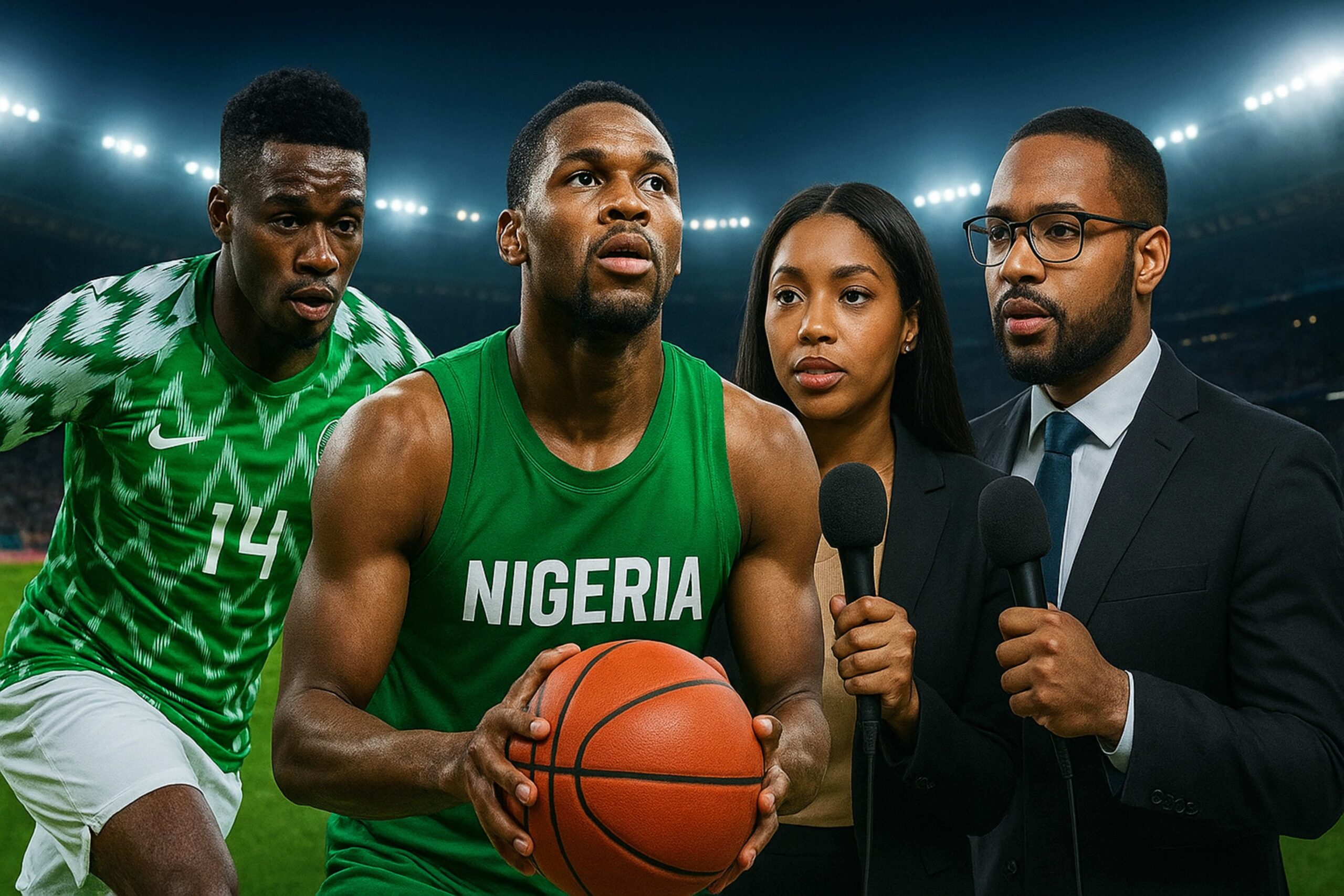
Nigeria’s sports scene has always overflowed with raw talent and passionate fans. From the Super Eagles’ exploits on the global stage to the vibrancy of local football leagues and athletics, sports remain one of the strongest unifying forces in the country.
Now, the focus is shifting from the pitch to the business behind it — and according to the National Sports Commission (NSC), the media will be the game-changer that transforms Nigeria’s sports industry into a thriving economic powerhouse.
The NSC’s New Call to Action
Earlier today, NSC Director-General Bukola Olopade called for stronger collaboration between the sports and media sectors, emphasizing that “a vibrant media ecosystem is critical to driving growth and transparency in Nigeria’s sports economy.”
This statement comes at a time when the government and private sector are seeking new ways to boost revenue, create jobs, and attract investment through sports. The NSC believes that with the right media partnerships and storytelling strategies, sports can become a significant contributor to Nigeria’s GDP — much like entertainment and tech.
Why Sports Media Matters More Than Ever
The media is the bridge between the game and the people. It shapes perception, builds fan loyalty, and attracts sponsors. Without consistent coverage, even the best leagues and athletes remain invisible.
In countries like South Africa and the UK, sports media rights generate billions through broadcast deals and online streaming. Nigeria, on the other hand, still lags — not for lack of interest, but for lack of structure, investment, and content innovation.
Imagine the potential if the Nigeria Premier Football League (NPFL) had the same media visibility as the English Premier League. The players would earn more, clubs would attract sponsors, and fans would feel more connected through high-quality storytelling and digital access.
The Challenges: Where Nigeria Still Falls Short
Despite its enormous potential, Nigeria’s sports ecosystem faces a few hurdles:
-
Poor governance – Frequent disputes within federations and a lack of transparency have discouraged investors.
-
Weak media infrastructure – Few local sports networks and limited digital streaming platforms mean poor access for fans.
-
Sponsorship struggles – Brands often hesitate to invest due to low visibility and irregular broadcasting.
-
Competition from global sports – Nigerian audiences often follow foreign leagues more than local ones, reducing local engagement.
Until these issues are addressed, Nigeria’s sports industry will remain underutilized — full of talent but lacking direction.
Opportunities: What’s Changing and What’s Possible
Despite the challenges, there’s a new wave of optimism.
-
Digital transformation is opening fresh doors. With platforms like YouTube, X (formerly Twitter), and TikTok, sports content creators now reach millions without needing traditional TV.
-
Private investment is slowly trickling in, especially through betting companies and tech-driven sponsorships.
-
Younger audiences prefer storytelling and behind-the-scenes content — an area where Nigerian sports can shine.
-
Government reform efforts under the NSC could help regulate rights, boost professionalism, and attract local investors.
If executed well, these shifts could create a multibillion-naira industry within the next decade.
What It Means for Stakeholders
-
Athletes: More exposure means more endorsements and better income.
-
Clubs & Leagues: With structured media partnerships, teams can grow their fanbase and commercial appeal.
-
Media Companies: A golden opportunity to invest in content production, live streaming, and documentaries.
-
Fans: Greater access to local sports, live games, interviews, and local hero stories.
-
Nigeria’s Economy: Job creation, tourism growth, and stronger global recognition.
Sports is no longer just about entertainment — it’s about economic power.
Case Study: How Media Changed South African Football
South Africa’s Premier Soccer League (PSL) provides a model worth studying. A strong media rights deal with SuperSport transformed it into one of Africa’s most successful leagues, both financially and in terms of fan engagement.
Nigeria can learn from this: structured rights deals, modern marketing, and consistent coverage can elevate the NPFL and other sports leagues to new heights.
The Way Forward
For Nigeria to fully harness the power of its sports economy, three steps are critical:
-
Professionalize sports federations — enforce accountability and transparency.
-
Empower sports media houses through training, partnerships, and incentives.
-
Encourage digital platforms — make local sports accessible globally.
If these happen, Nigeria’s sports ecosystem will move from passion-driven to profit-driven — without losing its soul.
Conclusion: The New Game Is the Business of Sport
The NSC’s renewed call for media involvement is more than just a press statement — it’s a wake-up call. Nigeria’s sports industry has the passion and the players; what it needs now is the platform and promotion to match.
The next big Nigerian sports star might not just be on the field — they might be the media visionary who turns the spotlight where it truly belongs.
#NigeriaSports #SportsEconomy #SportsBusiness #SportsGrowth #SportsDevelopment#SportsMedia #SportsJournalism #DigitalSports #SportsMarketing #MediaInnovation#NSC #BukolaOlopade #NPFL #SuperEagles #TeamNigeria #ChariotGlobal