




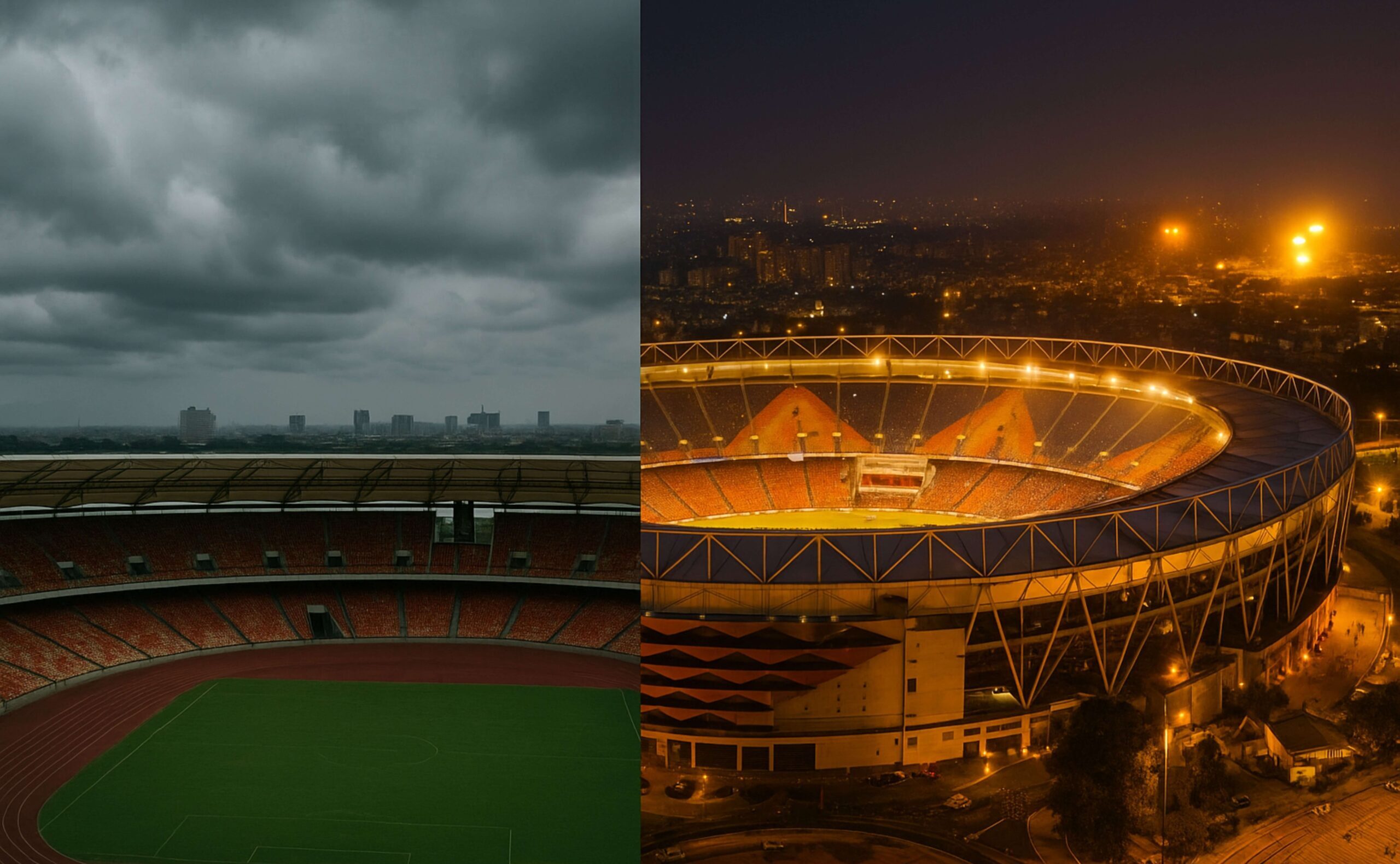
When Nigeria’s dream of hosting the 2030 Commonwealth Games was dashed in favour of India’s Ahmedabad, many hearts sank. What felt like a national opportunity to showcase our capacity, celebrate our athletes, and build lasting infrastructure instead turned into another painful reminder: ambition alone is not enough.
This is more than just a lost bid. It is a symbolic setback — a message to the world (and to Nigerians) that our global sporting relevance, planning, and governance are still under scrutiny. And so we are left to pick through the wreckage of expectations, assess where we fell short, and—most painfully—ask whether Nigeria is ready to trust itself to deliver something of this magnitude.
In this article, we’ll explore the disappointment, the reasons Nigeria lost, and especially the glaring issues around insecurity, trust deficit, and institutional weakness that may have doomed our ambitions.
The Disappointment: More Than Losing a Bid
-
National pride deflated. Nigeria is a sporting powerhouse in Africa. The possibility of hosting the centenary Games carried immense symbolic weight. Losing it feels like a rejection of that status.
-
Infrastructure dreams dashed. Many had hoped the bid would catalyze long-term investments in stadiums, transportation, lodging, urban renewal, and precincts that could uplift the host city and region.
-
Athlete morale shaken. Nigerian athletes and sports administrators had dared to imagine home advantage, local support, and global spotlight. That hope is now sullied with “what could have been.”
-
International reputation impacted. Bids like this are windows into how a country is viewed by global sporting bodies and peers. Losing signals serious concerns in governance, stability, and credibility.
But beyond the emotional blow, the real lessons lie in dissecting why Nigeria lost.
Why Nigeria Lost the 2030 Bid (And Why India Won)
From available public information and analysis of the bidding process, several factors contributed to India being preferred over Nigeria. Some are structural, others are perceptual. Below are key areas:
1. Infrastructure readiness and existing assets
India could lean on prior experience, existing sporting infrastructure, and government commitments. The bid from India included robust guarantees, infrastructural competence, and a road map that already looked mature.
Nigeria, on the other hand, must have convinced evaluators that it would need to build or expand many core facilities from scratch, increasing perceived financial and delivery risk.
2. Financial guarantees & government backing
A winning bid must convince the Commonwealth Games Federation (CGF) that funds, guarantees, and institutional support are solid and dependable. India’s federal government approved its bid, signed guarantee agreements, and committed to financial backing.
For Nigeria, securing those guarantees, assuring continuity across political cycles, and proving capacity to absorb overruns or emergencies may have seemed risky to decision-makers.
3. Experience, governance & trustworthiness
India has hosted large-scale sporting events before (including the 2010 Commonwealth Games, despite controversies) and has institutional frameworks in place for large event delivery.
Nigeria’s record in large-scale projects is riddled with delays, cost overruns, opaque contracting, and periodic governance challenges. The bidding authorities would have closely weighed whether Nigeria was a safer bet or an uncertain gamble.
4. Political stability & institutional continuity
Hosting the Commonwealth Games demands long-term planning over years—and sometimes across changes in government. The risk that a future administration might retract promises or mismanage funds must be mitigated. Nigeria’s political volatility and shifts in priorities could raise red flags.
India likely projected more continuity and confidence that commitments would be honored across governments.
5. Insecurity & perception of risk
This is perhaps the most glaring and damaging factor—and one Nigeria must confront head-on.
a) Security threats
Nigeria faces real and persistent challenges: insurgency, communal violence, kidnappings, terrorism, and localized conflict in various zones. For an event of this scale, security is non-negotiable. Visiting athletes, delegates, media, and spectators must feel safe. If evaluators perceived Nigeria as an insecure environment, that would weigh heavily against it.
b) Trust deficit
Closely linked is the question of trust: would the CGF, partners, sponsors, and participating nations trust Nigeria to secure the Games? Do they trust us to protect visitors, guarantee safe movement, preserve assets, and manage emergencies?
If doubts existed—even if exaggerated—they could tip the balance. In contrast, India may have presented a more convincing security plan and track record in ensuring safety during large events (or at least fewer visible major incidents at that scale).
c) Insurance, contingencies & risk mitigation
Large events require insurance, risk buffers, emergency plans, war zone protocols, evacuation routes, and robust security architecture. The cost of insuring an event in a region seen as high-risk is steep. Bidders must show how those costs will be borne. If Nigeria’s bid lacked convincing risk mitigation or was seen as underestimating security costs, that would undermine confidence.
6. Global optics & external perceptions
Even beyond actual risks, perceptions count. International media, athletes, and federations may harbor bias or cautious skepticism about security, governance, or operational capacity in Nigeria. India may have had an edge in overcoming or appearing more reassuring to those stakeholders.
7. Internal coordination & professionalism
Running a winning bid requires seamless coordination among multiple ministries, sports bodies, urban planners, security agencies, infrastructure agencies, foreign affairs, and more. The bid must reflect polished documents, professional project management, credible timelines, and realistic deliverables. Any weak link, sloppy presentation, or internal contradiction can erode confidence.
The Hard Lesson: We Must Fix Our Core Fault Lines
Nigeria’s failed bid is not just a missed opportunity—it is a diagnosis of our systemic weaknesses. If we want to bid credibly again, here is what must change:
-
Strengthen national security and reduce the incidence of violence across the country, especially in likely host regions.
-
Build trust in governance: transparent contracting, independent auditing, and anti-corruption mechanisms.
-
Institutionalize continuity: ensure bid commitments survive across administrations.
-
Present iron-clad security and contingency plans in future bids, with credible insurance backing, evacuation protocols, and risk buffers.
-
Demonstrate a track record by hosting mid-level regional events successfully to build confidence.
-
Engage communities and media to shift perceptions: show Nigeria is open, safe, modern, capable.
-
Mobilize strong public and private partnerships to provide financial guarantees, infrastructure, and credibility.
Only when these fault lines are addressed can Nigeria credibly contend again.
Conclusion
The loss of the 2030 Commonwealth Games bid to India is a painful, raw wound. But it isn’t the end of the story. It is a wake-up call — for Nigerians, for our sports institutions, and for our national planners.
If we channel this frustration into real reform, if we stop living on ambition and start building capacity, then the next time we bid, we won’t just be hopeful — we’ll be feared.
Nigeria can still host a major global event. But only if we prove, beyond doubt, that we are worthy of the trust.
#NigeriaSports #CommonwealthGames2030 #NigeriaBid #SportsInfrastructure #SecurityInNigeria #TrustDeficit #NigeriaHosting #SportingAmbitions #IndiaVsNigeria #GlobalSport