






The final of the Women’s 100m Hurdles at the 2025 World Athletics Championships in Tokyo was everything track fans could ask for: blazing speed, fierce competition, and high drama. For Nigeria, it was also the moment of truth.
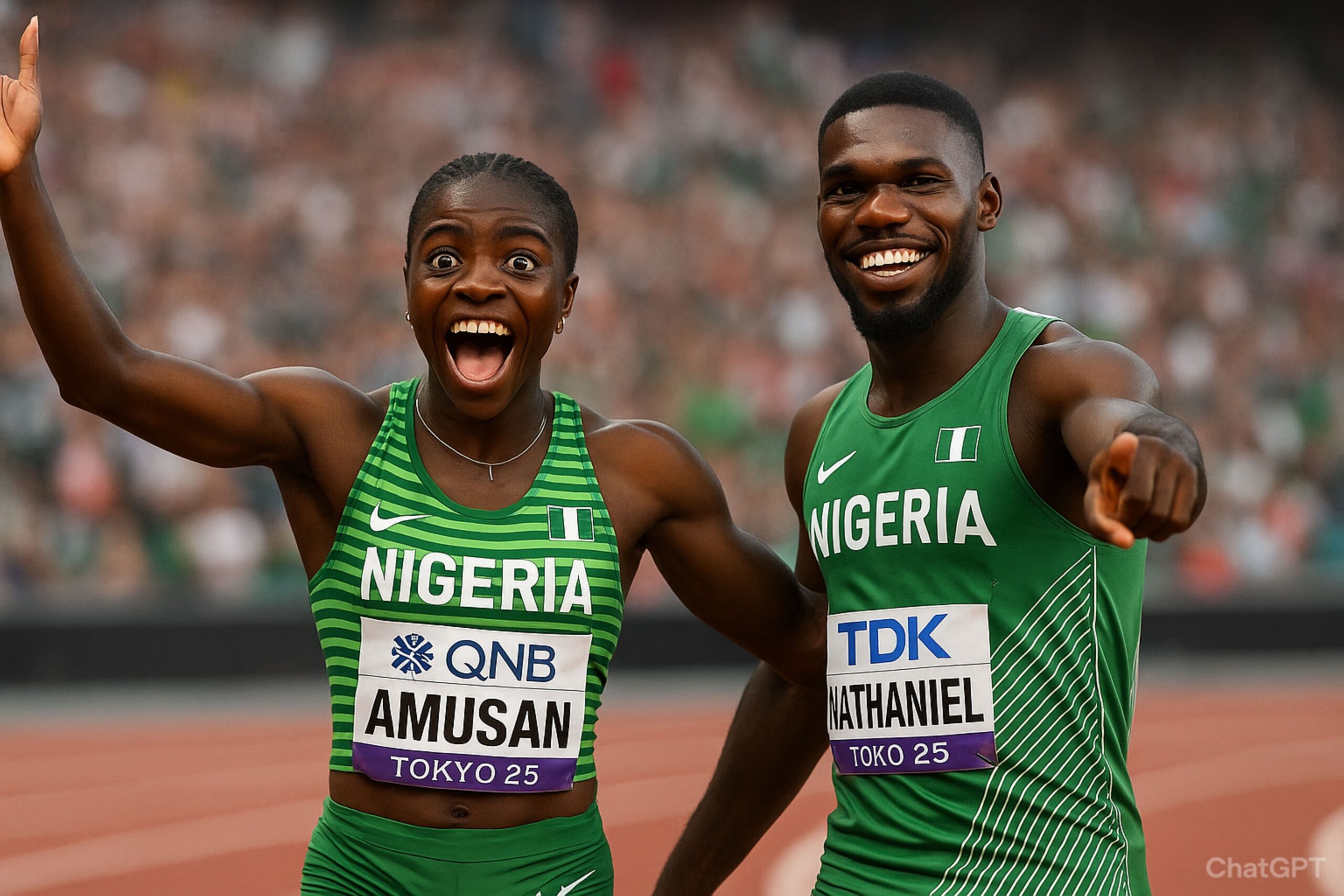
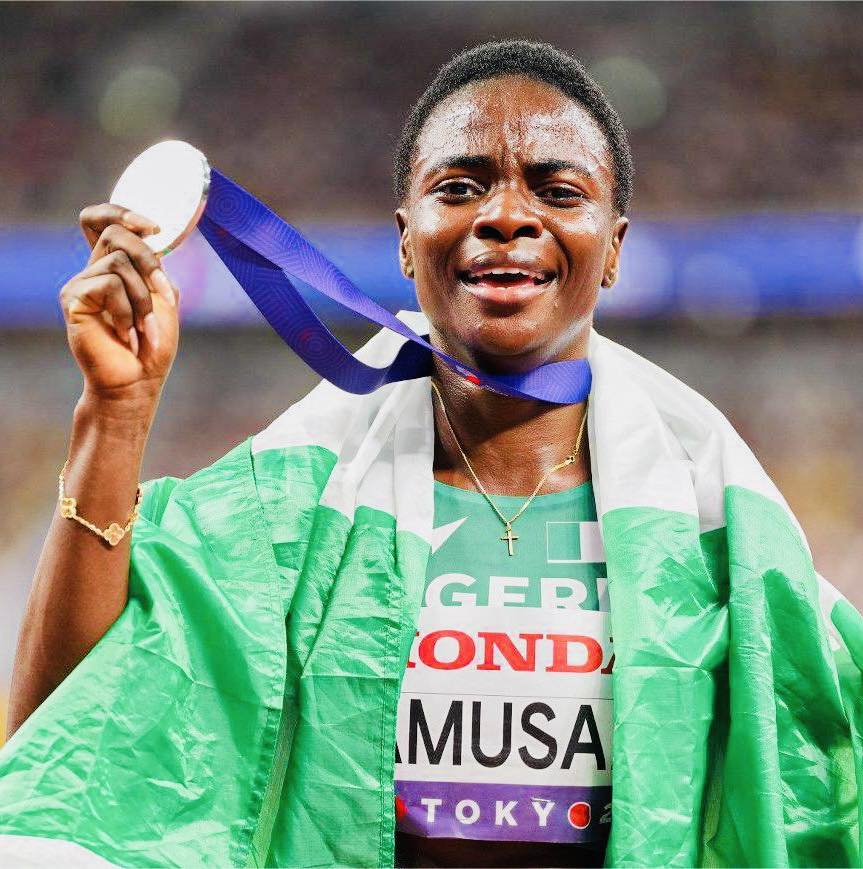
When the dust settled, it was Nigeria’s sprint queen, Tobi Amusan, who clinched the silver medal with an impressive 12.29s. In a sport where seconds define careers, this was a phenomenal, world-class performance, cementing her status as one of the most consistent elite athletes on the planet.
Yet, as the Nigerian flag was raised for Amusan’s single medal, a single, sobering truth hit the nation: that silver was Nigeria’s entire medal haul from a global championship. It was the moment we celebrated an individual triumph while being forced to confront a systemic failure. Amusan’s success is not a sign that our house is in order; it is an alarm bell ringing loudest for urgent reform.
The Unstoppable Journey of Tobi Amusan
Tobi Amusan’s story is one of raw talent refined by fierce discipline and a strategic choice to invest in herself.
Born in Ijebu-Ode, Ogun State, Amusan’s early career was marked by flashes of brilliance, but she decided to transition to a student-athlete life in the United States that proved pivotal. At the University of Texas at El Paso (UTEP), she found the world-class coaching, facilities, and support system that Nigeria currently lacks.
She quickly evolved from a promising talent to a global force. After years of agonizing near-misses (finishing fourth at both the 2019 World Championships and the 2020 Tokyo Olympics), she shattered all expectations at the 2022 World Championships in Eugene, Oregon. She not only became Nigeria’s first-ever track and field World Champion but also annihilated the world record with a scarcely believable 12.12 seconds.
The 2025 Tokyo silver isn’t just another medal; it’s an absolute masterclass in resilience. It shows Amusan’s ability to maintain world-class consistency year after year, even after navigating significant challenges like the doping controversy in 2023. She has perfected the formula for peak performance, carrying the hopes and pride of a nation almost single-handedly. She is an athlete who has succeeded despite the Nigerian system, not because of it.
The Bleak Backdrop: A System in Need of CPR
The spotlight on Amusan’s silver casts a long, harsh shadow on the state of Nigerian athletics. While she delivered, the rest of the 15-member team showed glimpses of potential that ultimately fell short. Young talents like Kayinsola Ajayi, who made the men’s 100m final, and Ezekiel Nathaniel, who finished an impressive 4th in the 400m hurdles, demonstrated that the raw material is still there, but they require nurture.
So, why does a nation of over 200 million people, rich in athletic promise, rely on a single athlete for global recognition? The answer lies in the chronic, unaddressed systemic flaws:
1. The Crisis of Athlete Welfare and Funding
The most persistent issue is the instability of funding. Nigerian athletes often face:
- Unpaid Allowances: Athletes have repeatedly reported difficulties in receiving timely training stipends and bonuses. This forces them to dip into personal funds or rely on foreign structures to survive.
- Logistical Chaos: From substandard kits (a common complaint before the Championships) to general logistical failures, the preparation for major games is often marred by administrative turbulence—a stark contrast to the structured support systems enjoyed by successful nations.
- Fire-Fighting Mentality: Reports of the Federal Government intervening at the Championships to “resolve challenges” is a classic example of reactive management. We wait for a crisis to solve it, instead of proactively building a stable environment.
2. Decaying Infrastructure and Grassroots Neglect
The engine room of any successful sports nation is its grassroots program. In Nigeria, that engine is sputtering:
- Dilapidated Facilities: Very few tracks meet international standards, hindering proper training and competition. This forces elite athletes to train abroad and star athletes like Amusan to often spend more time outside the country than in it.
- The Vanishing Pipeline: The once-vibrant national school sports festivals and domestic meets, which used to be the discovery grounds for talents like Amusan, have largely been neglected, severing the link between raw talent and the elite development pathway.
3. The Worrying Trend of Talent Drain
Perhaps the most painful indicator of our systemic failure is the defection of talent. The recent switch of promising sprinter Favour Ofili to represent Turkey is just the latest example in a long, heartbreaking trend. When athletes feel they cannot achieve their potential or secure their future while representing their home country, they will leave. They are not disloyal; they are simply making a rational choice for their career.
A Golden Opportunity: Our Blueprint for Reform
The silver medal is not the goal; it is a gifted warning. Nigeria must use the national pride generated by Amusan’s success as the political leverage needed to enforce systemic change.
We must stop being a talent factory for other nations and start being a development hub ourselves.
1. Embrace the Sports Industrialization Model (PPP)
The reliance on inconsistent government budgets must end. We must shift to a Public-Private Partnership (PPP) model:
- Private Funding: The government must provide tax incentives and clear governance structures to attract corporate sponsors. Sports bodies must be professionally managed, transparent, and marketable.
- Athlete Trust Fund: Establish a ring-fenced, independently managed fund dedicated solely to athlete welfare, stipends, and insurance, shielding them from administrative delays.
2. Revitalize the Domestic Structure
For every Tobi Amusan discovered, hundreds more are lost to the streets.
- Rebuild School Sports: Mandate and fund national school and tertiary institution championships as the primary talent identification platform.
- Consistent Competition: Ensure a predictable and high-quality calendar of domestic events throughout the year. Athletes must be able to compete against the best at home before heading abroad.
3. Invest in Human and Scientific Capital
Our coaches and administrators need support as much as our athletes do.
- Coaching & Sports Science: Fund specialized training for Nigerian coaches and invest in basic sports science—nutrition, physiotherapy, and biomechanics. Every elite athlete needs more than just a dedicated coach; they need a scientific support team.
- Empower the Elite Board: The recently established Elite Athlete and Podium Board must be given the political will and the resources to operate independently, focusing solely on data-driven high-performance development, identifying our best bets, and providing them with continuous, world-class support.
Conclusion: More Than Just a Medal
Tobi Amusan has done her part. She has run the races, broken the records, and brought home the only medal. She has shown the world, and more importantly, Nigeria, what is possible.
Now, the burden of responsibility falls squarely on the government, the federation, and the private sector. The 2025 silver medal is a testament to one woman’s grit; a podium full of Nigerian athletes at 2027 will be a testament to a country’s political will to reform. Let’s make the latter a reality.
#TobiAmusan#TeamNigeria#WorldAthleticsChampionships#Tokyo2025 #NigeriaAthletics#SportsReform#NigerianSports#AthleticsDevelopment
#AfricanAthletics
One thought on “Tobi Amusan’s Silver Spark: One Medal, A Million Questions for Nigeria’s Athletics Future”