




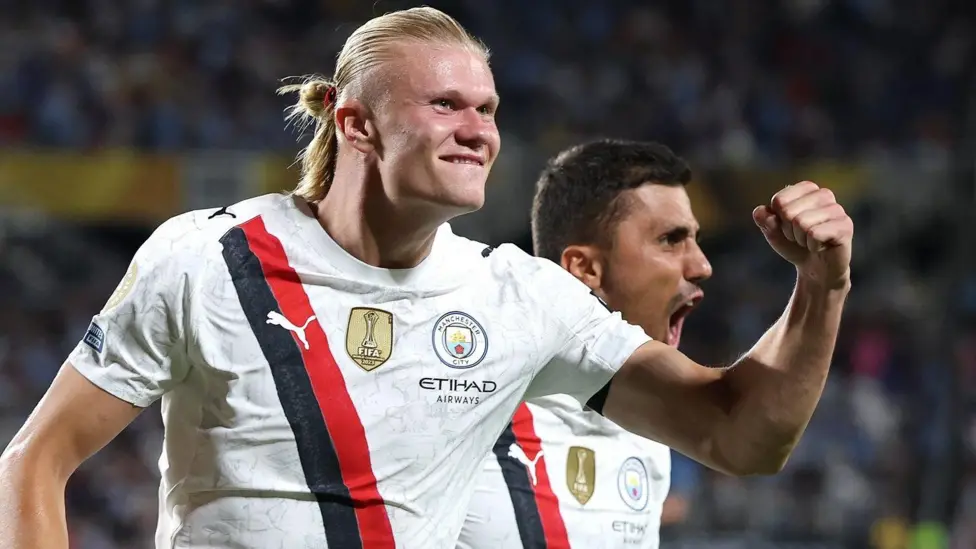
Manchester City has officially signed a ground-breaking 10-year extension to their kit manufacturing deal with Puma, securing the largest kit sponsorship contract in Premier League history. This agreement, which runs until at least the 2034/2035 season, is a monumental financial coup for the club, solidifying their commercial standing in global football.
The Deal in Numbers: A Staggering £1 Billion
- Total Value: The deal is reportedly worth up to £1 billion over the 10-year period.
- Annual Value: This translates to approximately £100 million per season.
- Significant Increase: This is a substantial increase from their previous 10-year deal with Puma, signed in 2019, which was valued at around £65 million per year. This means City will earn an extra £35 million per year, equating to an additional £350 million over the life of the new deal compared to the old terms if it had run its full course.
- Premier League Record: This £100 million annual sum significantly surpasses deals offered to rival Premier League clubs. For comparison:
- Manchester United’s 10-year deal with Adidas (signed in 2023) is reportedly worth around £90 million per year.
- Liverpool’s new deal with Adidas (agreed earlier in 2025) is valued at £60 million per season.
- Global Benchmark: While this is a Premier League record, it’s worth noting that Spanish giants Real Madrid and Barcelona also reportedly have kit deals exceeding £100 million per year, underscoring the elite tier City has now joined.
Breakdown of Financial Benefits and Impact:
This record-breaking deal provides Manchester City with a multitude of financial advantages and impacts various aspects of the club’s operations:
- Massive Revenue Injection:
- Direct Income: The primary benefit is the direct annual payment of £100 million. This stable, long-term revenue stream is a bedrock for financial planning, allowing for greater predictability in budgeting.
- Commercial Revenue Dominance: This deal bolsters City’s overall commercial revenue, which already hit a Premier League record of £344.7 million last year. Kit deals are a huge component of commercial income, and this new agreement significantly enhances that figure.
- Financial Fair Play (FFP) Support:
- Increased Operating Revenue: A larger, verified commercial deal like this is crucial for FFP compliance. It increases the club’s “relevant revenue,” which is a key factor in balancing spending on transfers and wages against income.
- Mitigating Charges: While City faces 115 Premier League charges (which are separate and relate to past alleged breaches), demonstrating a strong and legitimate commercial income stream can be beneficial to their overall financial standing and arguments regarding sustainability. It indicates organic growth and market value.
- Flexibility for Transfers: The consistent £100 million per year provides significant leverage for transfer funds. It allows Pep Guardiola and the sporting director to plan for future squad rebuilds and acquire top talent without solely relying on player sales or short-term financing. Reports already suggest Guardiola has spent around £300 million in 2025 on eight new signings, and this deal provides a clear boost to sustain such investment.
- Global Brand Expansion and Reach:
- Puma’s Marketing Power: Puma is a global sportswear giant. Their marketing campaigns, distribution networks, and reach will further amplify Manchester City’s brand worldwide. This isn’t just about money; it’s about global visibility.
- Growth Markets: The deal includes City’s women’s and youth sides, further extending the brand’s reach. Additionally, Puma partners with other clubs in the City Football Group (CFG) across various continents, creating synergies and expanding the overall global footprint for the City brand.
- Merchandise Sales: While the core deal is a fixed payment, it also likely includes clauses related to merchandise sales (royalties or bonuses). The success of City’s kits on the market, as evidenced by “record club sales global records” touted by City Football Group CEO Ferran Soriano, directly benefits both parties. Innovative kit designs (like the 2025/26 home kit featuring the “sash”) and marketing campaigns (including metaverse launches) are designed to boost these sales.
- Competitive Advantage:
- Attracting Talent: Being able to offer top wages and transfer fees is paramount in modern football. This deal significantly boosts City’s ability to compete with the likes of Real Madrid, PSG, and other European giants for the world’s best players.
- Future-Proofing: A 10-year deal provides long-term stability in a volatile market. It insulates the club somewhat from short-term dips in on-field performance (like the 2024/25 season) or shifts in broadcast revenues, ensuring a consistent commercial baseline.
- Validation of On-Field Success:
- Return on Investment for Puma: Puma’s willingness to commit such a vast sum reflects City’s incredible on-field achievements since their initial partnership began in 2019, including four Premier League titles and the 2022/2023 treble. This success has translated into increased global fan engagement and kit sales, making City a highly valuable partner for a sportswear brand. As Puma CEO Arthur Hoeld stated, “Trophies, a perfect stage for our performance products and commercial success were exceptional.”
- Confidence in the Club’s Trajectory: Despite the recent struggles, Puma’s commitment signals strong confidence in Manchester City’s long-term project, brand strength, and the continued ability to compete at the highest level.
Potential Considerations:
- Performance Clauses: While the £100 million annual figure is reported, it’s common for such large deals to include performance-related clauses. This could mean bonuses for winning major trophies (Premier League, Champions League) or potential reductions if certain targets (e.g., Champions League qualification) are not met. However, the initial reports suggest a strong guaranteed component.
- Associated Party Transactions (APT) Scrutiny: Given the ongoing FFP charges and the nature of City’s ownership, the deal will likely face scrutiny regarding its “fair market value.” The Premier League has rules in place to prevent inflated sponsorship deals with companies associated with club owners. However, a global brand like Puma, which also sponsors other clubs in the City Football Group, typically operates at arm’s length, making such a deal easier to defend as genuine market value.
In conclusion, Manchester City’s new £1 billion Puma kit deal is a landmark agreement that underscores their commercial prowess and provides immense financial stability for the next decade. It’s a powerful statement of intent that will significantly aid their efforts to compete for and win major trophies, manage FFP requirements, and expand their global brand even further, solidifying their position among football’s commercial elite.