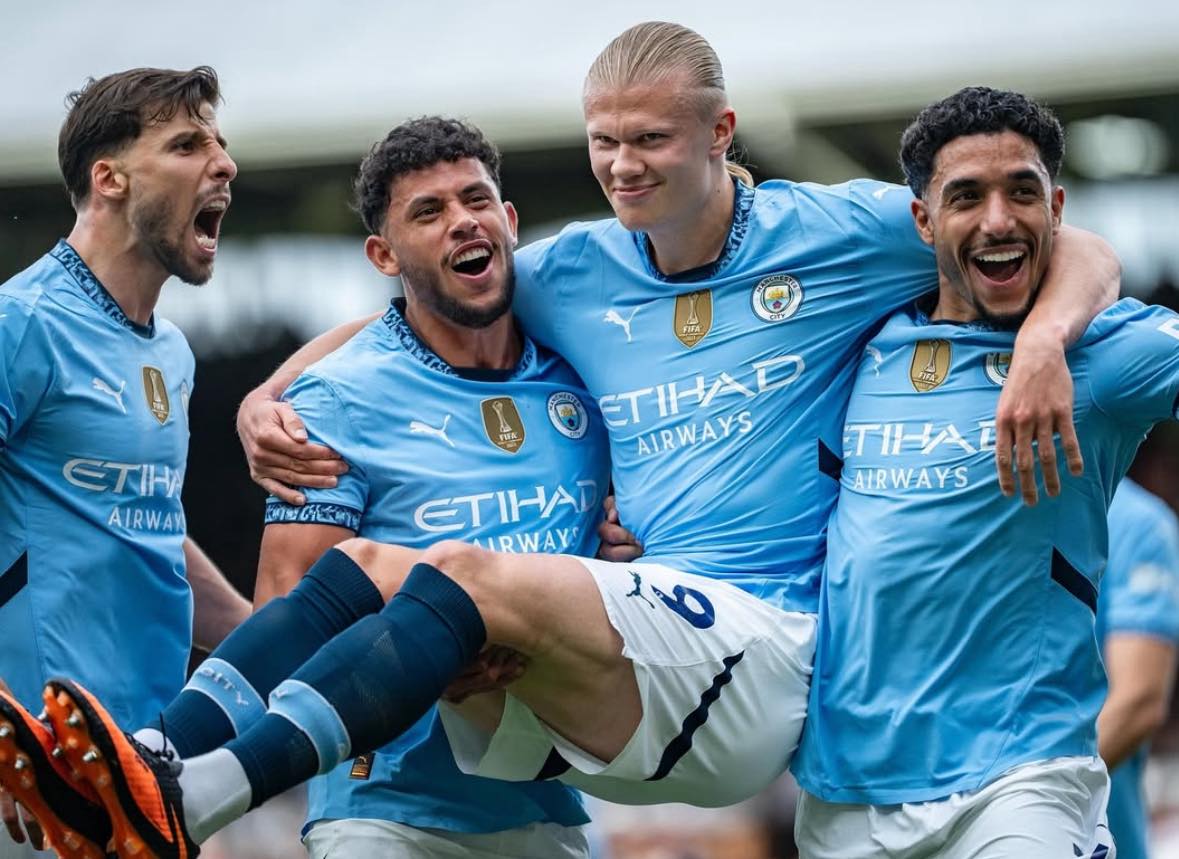



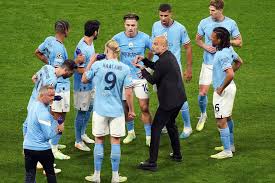
After an unprecedented run of success, including four consecutive Premier League titles, the 2024/2025 season presented a stark reality check for Manchester City. Finishing 3rd in the Premier League, with 20 fewer points than the previous season, and without a major trophy (winning only the Community Shield) marked a significant departure from their accustomed triumphs. Their performance in the Club World Cup, where they advanced from the group stages with dominant wins (including a 5-2 victory over Juventus) demonstrated their quality, but they did not reach the final. This outing, while showing flashes of brilliance, was ultimately part of a season that raised questions about the longevity of this era and Guardiola’s future.
The 2024/2025 Season Struggles: What Went Wrong?
Several factors contributed to City’s uncharacteristic struggles:
- Key Injuries: The most significant reported factor was a “raft of serious injuries to a host of key personnel.” Specifically, Rodri’s long-term ACL injury in late September was highlighted as throwing Guardiola’s plans into disarray. Other key players like Phil Foden (illness and injury), Kevin De Bruyne (availability and performance), John Stones, Ruben Dias, and Nathan Ake also reportedly struggled with form and fitness. The loss of such pivotal figures disrupted the team’s rhythm and balance.
- Loss of Squad Cohesion and Familiarity: With stalwarts like Kevin De Bruyne and Kyle Walker leaving, and other formerly key players falling out of favor (e.g., Jack Grealish’s reduced role), the squad reportedly felt “like a team in transition.” The constant churn of players, even if high quality, can impact the intricate understanding that defined City’s best periods.
- Defensive Vulnerabilities: City conceded 44 goals in the Premier League (compared to 34 the previous season), indicating a dip in defensive solidity. They reportedly struggled with teams “killing them in transition,” suggesting issues with their “rest defence” and vulnerability to counter-attacks.
- Attacking Output Dip: While Erling Haaland still scored 31 goals across all competitions, the overall attacking output “shrivelled” at times. Phil Foden, despite a strong previous season, had an “astonishing drop off,” and Jack Grealish looked a “shell of his former self.” This meant less consistent creativity and penetration.
- Inability to Beat Top Sides: A notable aspect was their struggle against Europe’s biggest clubs. They failed to beat Liverpool or Arsenal in the Premier League and were unable to conquer Real Madrid, PSG, Juventus, or Inter in continental competitions. This suggests a potential decline in their elite-level performance.
- Pep Guardiola’s “Fallibility”: For the first time in a long while, Guardiola himself “looked fallible.” Rodri’s injury seemingly exposed a lack of contingency planning in that crucial holding midfield role, and for months, City “looked like one of the poorest coached outfits in the division.”
- Transfer Impact: While City made seven signings across 2024/2025, five of them came in an “emergency winter window.” This mid-season influx, while bringing some energy (like Omar Marmoush), indicates reactive rather than proactive recruitment and can take time to integrate. The loss of Ilkay Gundogan (who returned to City for the season, but then reportedly left again) also highlighted midfield changes.
The Way Forward: Rebuilding and Redefining
For Manchester City to return to its peak, a strategic and multifaceted approach is required:
- Squad Rejuvenation and Targeted Recruitment:
- Address Aging Core: With players like De Bruyne and Walker gone, and others aging, a clear focus on bringing in younger, high-potential players who fit Guardiola’s system is crucial. The reported focus on “younger ones to address the age-profile” is a positive sign.
- Midfield Reinforcement: Rodri’s immense importance was highlighted. Securing a world-class alternative or understudy is paramount to avoid similar collapses if he’s absent. The reported interest in Tijjani Reijnders suggests this area is being addressed.
- Attacking Versatility: While Haaland scores goals, City thrives on fluid attacking movement. Bringing in attackers who can interchange positions, create chances, and press effectively will be key. Rayan Cherki and Savinho (now a permanent signing) are examples of this.
- Defensive Stability: Investing in fresh, high-quality defensive talent to provide competition and maintain intensity is necessary.
- Smart Departures: Moving on players who are no longer performing at the required level or don’t fit the system (e.g., Jack Grealish’s expected exit, and possibly others like John Stones, Mateo Kovacic, or even a second departure for Gundogan) will free up wages and funds.
- Tactical Evolution: While Guardiola’s core philosophy remains, adapting and evolving the system to counter new threats and maximize the potential of new players is essential. This might involve slightly different formations or tactical nuances to surprise opponents.
- Injury Prevention and Management: A thorough review of their injury record and protocols to ensure key players are available for the crucial parts of the season.
- Re-establishing Mental Fortitude: The “inner core that underpins the very best” was evident in their late-season rally in 2024/25, but maintaining that across an entire campaign, especially when facing adversity, is vital.
Is This the End of an Era?
It’s tempting to declare the end of an era, given the dip in the 2024/2025 season. However, it’s more accurate to describe it as a transitional period for Manchester City.
- Not a Collapse, but a Dip: They still finished 3rd in the toughest league in the world, reached the FA Cup final, and performed well in the Club World Cup group stage. This isn’t a team in freefall like some “fallen giants” have experienced.
- Guardiola’s Continued Presence: As long as Pep Guardiola is at the helm, the foundational elements of their success remain. He has a proven track record of adapting and rebuilding. His contract runs until June 2027, and he has spoken about taking a break after that, but has also said Manchester City will be his last club job, possibly moving to a national team role. This suggests he is committed for the medium term.
- Financial Power: Despite FFP concerns (which continue with their ongoing 115 charges case, with a verdict expected before the 2025/26 season), City still possesses immense financial resources to invest in the squad.
The “era of dominance” as we knew it – marked by relentless domestic and European success – might be evolving. It may become an era of sustained competitiveness and adaptation, rather than outright, unchallenged superiority.
Can They Come Back Again?
Absolutely. Manchester City has all the ingredients to bounce back and challenge for major honors again:
- Elite Manager: Pep Guardiola, despite a challenging season, remains one of the greatest managers in football history, capable of extracting the best from players and systems.
- Strong Core: Players like Bernardo Silva (now confirmed as captain for 2025/26), Erling Haaland, Rodri (when fit), Josko Gvardiol (a shining light in a tough season), and Phil Foden (who despite a dip in 24/25, showed flashes of brilliance) are still world-class.
- Financial Muscle: The club’s commercial success provides the means to recruit top talent.
- Established Infrastructure: World-class training facilities and a clear club structure support long-term success.
- Club World Cup Outing: Their dominant group stage performances (e.g., 6-0 vs. Al Ain, 5-2 vs. Juventus) demonstrated their attacking capabilities when clicking. This should serve as a confidence booster despite not winning the tournament.
Can Guardiola Turn Things Around or “Chicken Out” Like Barcelona?
The “chicken out” narrative from Barcelona is a misunderstanding of his departure. Guardiola left Barcelona in 2012 after four incredibly intense and successful years, winning 14 trophies. He stated he felt “worn out” and could no longer motivate himself or his players to the same degree. It wasn’t a lack of belief in his ability to turn things around, but rather a recognition of the immense mental and emotional toll of managing at that elite level. He needed a sabbatical.
At Manchester City, the situation is different. He’s arguably in a more comfortable and supportive environment. His contract runs until 2027, and he has explicitly stated he plans to take a break after his City tenure, not during it. He has also said Manchester City will be his last club managerial role. This suggests a deep commitment.
Can he turn things around? Yes, he has the pedigree and resources. His ability to identify problems and adapt his tactics is one of his greatest strengths. The 2024/2025 season was a wake-up call, potentially a necessary one, that highlighted areas for improvement.
What is the Way Out?
The “way out” for Manchester City is a blend of continuity and strategic evolution:
- Support and Empower Pep: Give him the resources and authority to undertake the necessary squad refresh. Trust his judgment on incoming and outgoing players.
- Ruthless Squad Management: This is critical. Identify players who are past their peak, no longer fit the tactical blueprint, or simply aren’t delivering the required output, and move them on, even if it means accepting a loss. This frees up wage bill space and allows for fresh talent.
- Targeted, Value-Oriented Recruitment: Less “marquee signings” for the sake of it, more focus on players who perfectly fit the system, have high potential, and represent good value. The club’s new sporting director, Hugo Viana, working alongside Txiki Begiristain, will be crucial here.
- Re-invigorate the Core: Help key players like Foden and Haaland rediscover their peak form through tactical adjustments, rest, and mental support.
- Embrace the Challenge: Guardiola thrives on challenges. This season’s struggles could be the impetus for a new phase of innovation and renewed hunger within the squad.
Manchester City’s era of absolute dominance may be over, but their status as an elite European club and a perennial contender is far from finished. The 2024/2025 season was a difficult chapter, but it also provides a clear roadmap for what needs to change. The response in the upcoming seasons will define this next phase of their history.