




José Mourinho: A Pragmatic Genius, A Controversial Figure, and the Art of the Come:
In the unpredictable world of football management, few figures command as much attention, adoration, and indeed, exasperation, as José Mourinho. Dubbed “The Special One,” Mourinho has carved out a career replete with gleaming silverware, tactical masterclasses, and an undeniable knack for generating headlines. Yet, his journey has also been punctuated by a recurring theme: the sacking. This article delves into the fascinating duality of Mourinho’s career, exploring his undeniable triumphs, the controversies that have shadowed him, and the remarkable resilience that has enabled him to consistently bounce back, often emerging stronger than before.
The Rise of a Pragmatic Genius:
Mourinho’s early career saw him emerge as a meticulous tactician, a keen student of the game who brought an almost scientific approach to football. His Porto team, against all odds, conquered Europe, demonstrating an unparalleled ability to organize, motivate, and outwit superior opponents. This early success wasn’t just about winning; it was about the way he won – a pragmatic, often defensive, but always effective style that prioritized results above all

His first spell at Chelsea cemented his legend in England. He transformed the club into a dominant force, breaking the duopoly of Manchester United and Arsenal. His charisma was infectious, his press conferences became must-watch events, and his connection with the fans was palpable. He was a manager who understood the psychological warfare of football, often deflecting pressure from his players onto himself, a true master of perception.
The Downward Spiral and the Golden Parachutes:
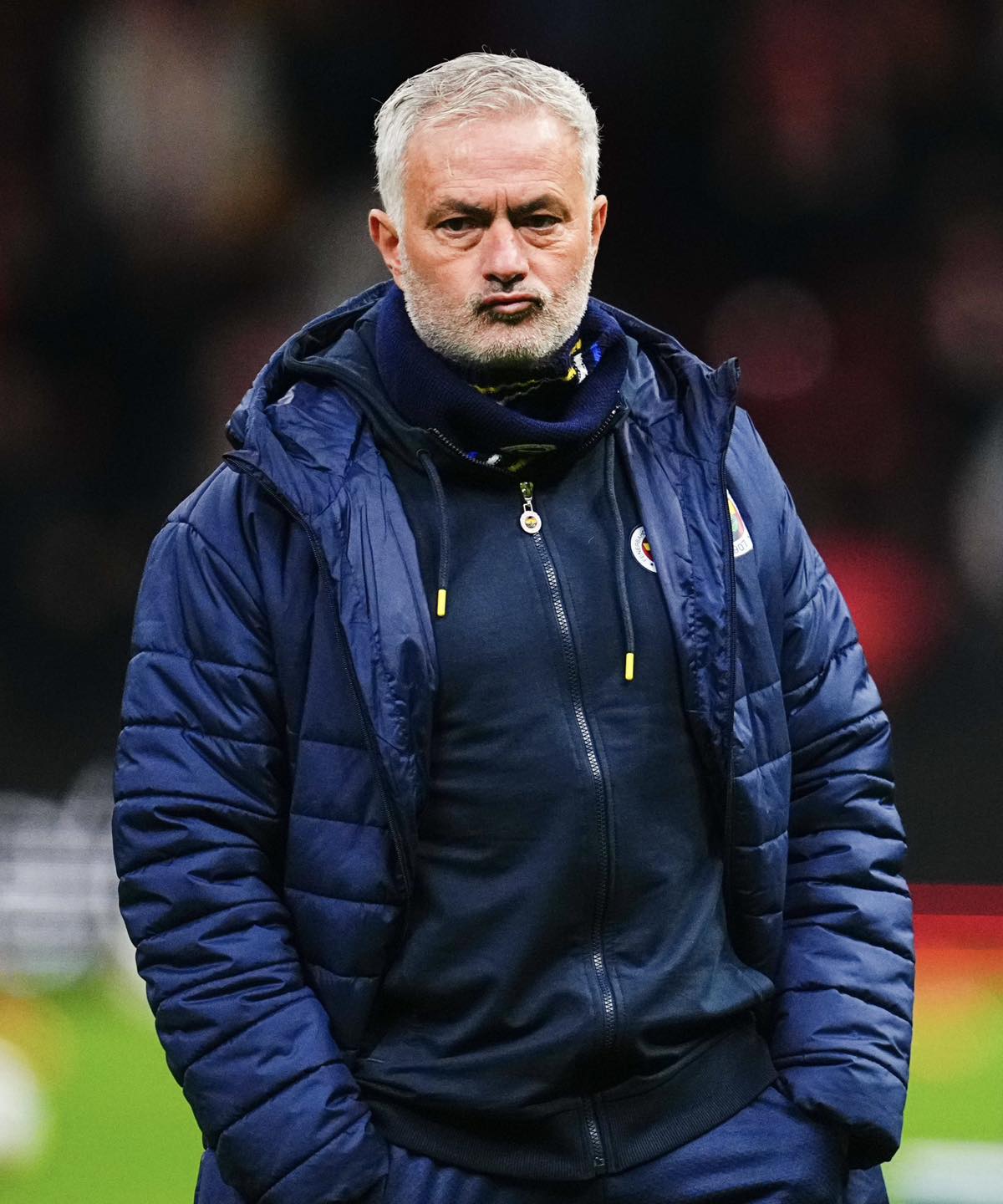
However, as the image prominently displays, Mourinho’s career has also been a series of high-profile departures. The sheer number of times he’s been sacked, often with hefty compensation packages, has become a running joke and a testament to the complex nature of his relationships with club hierarchies.
- 2007 Chelsea (21 M Euro): His first departure from Stamford Bridge, despite two Premier League titles, hinted at the friction that would become a hallmark of his career.
- 2013 Real Madrid (20 M Euro): A turbulent period marked by internal strife, though he did break Barcelona’s La Liga dominance.
- 2015 Chelsea (€ 14.5 M): A disastrous second spell saw a dramatic collapse in form and another early exit.
- 2018 Man United (20 M Euro): Despite winning three trophies, his tenure ended acrimoniously amidst criticism of his playing style and public spats.
- 2021 Tottenham (21 M Euro): A brief, ultimately unsuccessful stint where he was sacked just days before a League Cup final.
- 2024 Roma (3.5 M Euro): Even at Roma, where he delivered their first European trophy in decades, the relationship eventually soured.
- 2025 Fenerbahce (15 M Euro): (Hypothetical, as per the image data) This projected move and potential future payout underscore the trend.
The “TOTAL 115 M EURO” from these sackings is a staggering figure, leading many to quip that he’s more profitable when unemployed. This isn’t just about money; it speaks to the immense investment clubs make in him, believing in his ability to deliver, even if it’s for a relatively short, impactful, and sometimes volatile period.
The Challenges and the Charisma:
Mourinho’s challenges often stem from his own personality. His pragmatic approach, which once brought glory, can sometimes be perceived as overly cautious or negative in an era that increasingly craves expansive, attacking football. His demanding nature, while driving players to excel, can also lead to burnout or fractured relationships. His often controversial public statements, while entertaining, can alienate referees, rival managers, and even his own club’s fans.
Yet, his charisma remains undeniable. He commands attention in any room, his press conferences are legendary, and his ability to galvanize a dressing room, at least initially, is second to none. He instills a siege mentality, convincing his players that it’s “us against the world,” a powerful motivator that has propelled many of his teams to success. His eccentricity, from hiding in a laundry basket to evade a touchline ban to his memorable soundbites, only adds to his unique appeal.
Picking Himself Up: The Art of the Comeback:
Perhaps Mourinho’s most admirable trait is his unwavering self-belief and ability to consistently pick himself up. Each sacking, rather than signaling the end, seems to be a temporary setback from which he emerges, ready for a new challenge. He is a master of reinvention, adapting (to a degree) his methods and always finding a club willing to bet on his proven track record. This resilience speaks volumes about his character – he is a fighter who rarely stays down for long.
Criticism and Eulogy:
To eulogize Mourinho is to praise his unparalleled tactical acumen, his relentless pursuit of victory, his ability to win trophies in multiple countries, and his captivating personality. He is a serial winner, a manager who leaves an indelible mark wherever he goes.
To criticize him is to highlight his often divisive methods, his occasional resistance to evolving tactical trends, and the short shelf-life his tenures often have. There’s a sense that his man-management style, once his strength, can become a weakness over time, leading to player discontent and eventual breakdowns.
Conclusion:
José Mourinho’s career is a compelling narrative of triumphs and tribulations, a testament to his unique blend of genius and controversial pragmatism. He may accrue significant wealth from his departures, but these exits are merely footnotes in a career defined by an insatiable hunger for success. He remains a charismatic, eccentric, and above all, influential figure in football, continuously proving that even after multiple “sackings,” “The Special One” always finds a way to return to the spotlight, forever challenging the norms of the beautiful game.