





Chelsea vs Crystal Palace match review
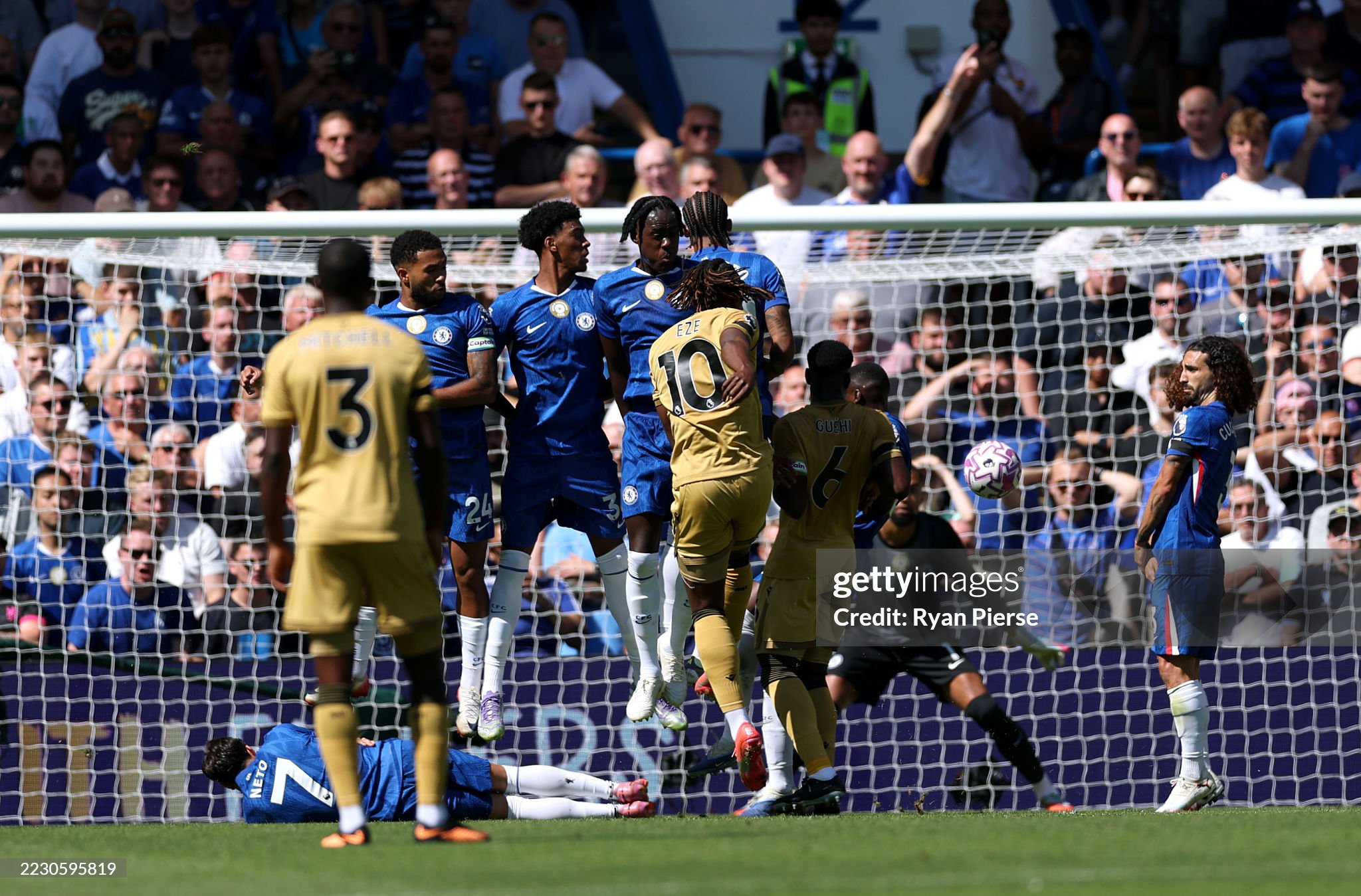
Chelsea opened their Premier League season with a 0-0 draw against Crystal Palace at Stamford Bridge, a game defined by control without cutting edge. The headline moment: Eberechi Eze’s thunderous free-kick ruled out after VAR spotted Marc Guéhi encroaching the wall under the new one‑metre law. Chelsea dominated the ball and racked up 19 shots, but hit the target only three times, with late chances for Liam Delap and Andrey Santos squandered. For a side fresh off a Club World Cup triumph and a shortened pre-season, it felt like rhythm without ruthlessness.
Key moments
- 3’ — Early warning for Palace: Marc Cucurella’s glancing header is cleared off the line by Ismaïla Sarr, denying Chelsea a dream start.
- 13’ — VAR drama: Eze hammers a free-kick past Robert Sánchez, but after review, the goal is disallowed for Guéhi being within one metre of the Chelsea wall — an indirect free-kick under IFAB’s 2025/26 law. Darren England’s on-field review confirms the call.
- 15’ — Palace punch back: Jean-Philippe Mateta breaks through and forces Sánchez into a sprawling save, underscoring Palace’s threat in transition.
- 90’ — Missed moment: Delap drills straight at Dean Henderson from a promising position; moments later, Andrey Santos blazes over unmarked in stoppage time as the chance of a late winner vanishes.
Tactics
Chelsea (Enzo Maresca)
- Structure and spacing: A 4-2-3-1 morphing to 3-2-5 in possession, with Cole Palmer between lines and wide men holding width. The intent is control, rest-defense stability, and central overloads — but the old problem resurfaced: breaking compact low blocks with tempo, rotations, and penalty-box presence.
- Patterns and issues: With Palace congesting central zones, Chelsea’s dual 10 principles and overloads lacked the third-man runs and pinning movements to create high-value shots, resulting in volume without precision and too many efforts from suboptimal angles.
Crystal Palace (Oliver Glasner)
- Compact midblock: A well-drilled 3-4-2-1/5-4-1 out of possession, with Chris Richards–Maxence Lacroix–Guéhi patrolling the box and wing-backs denying crosses. Palace accepted territory, protected the half-spaces, and sprang Eze/Mateta in transitions.
- Execution: Lacroix’s emergency defending (blocks, clearances), Mitchell’s control of the flank, and disciplined spacing blunted Chelsea’s possession play and funneled attacks wide, where end-product was lacking.
Match stats
| Category | Chelsea | Crystal Palace |
|---|---|---|
| Possession | 71% | 29% |
| Shots | 19 | 12 |
| Shots on target | 3 | 4 |
| Expected goals (xG) | 1.81 | 1.07 |
Man of the match
- Chris Richards (Crystal Palace): Calm, dominant, and error-free at the heart of Palace’s back line. Read danger early, won his duels, and embodied the team’s “clean sheet first” mentality — performance recognized with a Player of the Match award.
- Honourable mentions: Maxence Lacroix for his blocks and sweeping, and Dean Henderson for late interventions; Tyrick Mitchell quieted his flank impressively.
How Chelsea’s $250m attack misfired
- Personnel and price tag: Chelsea used six attackers acquired for around £250m — João Pedro, Jamie Gittens, Pedro Neto, Cole Palmer, plus subs Estevão and Liam Delap — but produced only three shots on target. The investment raised expectations for chance creation and finishing that this game didn’t meet.
- Shot quality vs. finishing: The xG (1.81) suggests there was enough platform to score once; the misses (Delap’s at 90’, Santos in stoppage time) and tame efforts told the story of timing and composure rather than total creative failure.
- Structural friction: Palace’s low block compressed Palmer’s pockets; wingers stayed wide but rarely isolated their man at speed. Chelsea lacked consistent third-man runs from midfield and a penalty-box fixer to attack cut-backs. The same “low-block riddle” that dogged periods of last season briefly resurfaced, despite Maresca’s clear positional framework.
- Synergy and rhythm: With a truncated pre-season after the Club World Cup and multiple new attacking relationships to build, the automatisms weren’t yet there: timing of overlaps, blindside runs, and wall passes were a beat off.
It’s a marathon, not a sprint — but is it cause for concern?
- Short-term perspective: Not yet. The performance had control, field tilt, and late chances; the attackers are new to each other, and rhythm historically lags when integrating a front line en masse. Maresca himself framed it as the “first real game” after a limited tune-up, confident they’ll sharpen “slowly, slowly”.
- Legitimate watch-outs:
- Low blocks: Teams will sit deep at the Bridge. Chelsea must add rehearsed rotations (winger in–fullback underlap–10 spin), quicker tempo switches, and a consistent penalty‑box runner from midfield to convert territory into tap-ins.
- Final-third profiles: When Plan A stalls, a chaos agent or aerial focal point can change shot maps fast. If João Pedro drifts, who pins the center-backs? Role clarity will raise shot quality.
- Build-up knock-on: Levi Colwill’s absence affects clean progression and pinning from the left — Maresca has flagged the need for a center-back solution. Cleaner entries will serve the attack better against set defenses.
- Bottom line: The display merits patience more than panic. But if the “possession without penetration” pattern persists over the next 4–6 league games — especially at home — then it shifts from opening-day rust to a tactical trend that needs proactive tweaks.