



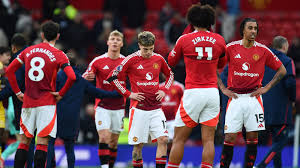
Manchester United, once the undisputed kings of English football, have endured a tumultuous decade since Sir Alex Ferguson’s retirement in 2013. The club’s struggles have been multifaceted, encompassing issues on and off the pitch, leading to a frustrating period for fans. With the recent partial takeover by Sir Jim Ratcliffe and INEOS, there’s a renewed, albeit cautious, optimism about a more strategic approach to returning the club to its former glory.
The Bedeviling Issues: A Complex Web of Problems
Manchester United’s decline isn’t attributable to a single factor but a combination of systemic failures:
- Lack of a Clear Footballing Identity and Strategy: For years, there has been no consistent philosophy or long-term plan guiding recruitment, coaching appointments, or youth development. This led to a patchwork squad with players bought to suit different managerial styles, resulting in a lack of cohesion.
- Poor Recruitment and Transfer Strategy:
- Overspending on Underperforming Players: United has consistently overpaid for players who have either failed to adapt, struggled with injuries, or simply weren’t good enough for a club of this stature. This has created a bloated wage bill and made it difficult to offload players.
- Lack of Sporting Expertise: Historically, football decisions were heavily influenced by non-footballing personnel (the Glazers’ management). The absence of a strong, unified sporting director and recruitment team for a long time meant disjointed transfer windows.
- Reactive vs. Proactive: Transfers often seemed reactive to immediate problems or based on “big names” rather than a coherent long-term vision for the squad.
- Managerial Merry-Go-Round: The constant change of managers (David Moyes, Louis van Gaal, Jose Mourinho, Ole Gunnar Solskjaer, Ralf Rangnick, Erik ten Hag, and now Rubén Amorim) has prevented any sustained period of stability or the implementation of a consistent footballing philosophy. Each new manager brings different ideas, requiring different players, exacerbating squad imbalance.
- Squad Imbalance and Underperformers: Despite huge spending, key areas of the pitch have consistently lacked quality or depth. Many players have struggled with form or injuries, and a significant number have failed to live up to their price tags.
- Club Culture and Standards: The “winning culture” ingrained by Ferguson seems to have eroded. Reports of a lack of discipline, accountability, and a collective mentality have surfaced, suggesting a less demanding environment than in the past.
- Glazer Ownership and Debt: For years, the Glazers’ ownership model, which loaded debt onto the club and prioritized commercial revenue over footballing success, drew heavy criticism. While commercial revenues remained high, the lack of investment in infrastructure and a perceived detachment from the club’s sporting needs fueled fan discontent. Sir Jim Ratcliffe’s involvement aims to address the footballing side, but the dual ownership structure could still present challenges.
How They Can Improve: The Road Ahead
With Sir Jim Ratcliffe’s INEOS group now in charge of football operations, there’s a clearer pathway for improvement:
- Clear Footballing Structure and Philosophy:
- Define a Playing Style: The club needs to decide on a specific style of football they want to play (e.g., possession-based, high-pressing, counter-attacking) and stick to it. This will inform all recruitment and coaching decisions.
- Empower Sporting Leadership: The appointments of individuals like Jason Wilcox (Technical Director) and others in the new sporting structure are crucial. They must have the autonomy and authority to implement a long-term football strategy without undue interference.
- Smart and Strategic Recruitment:
- Value for Money: Focus on acquiring players who fit the club’s defined playing style and fill genuine gaps in the squad, rather than solely on reputation or market hype.
- Youth Integration: Continue to leverage the club’s rich academy tradition, ensuring a clear pathway for promising young players into the first team.
- Data-Driven Scouting: Utilize advanced analytics and scouting networks to identify undervalued talent and future stars.
- Stability and Backing for the Manager: Rubén Amorim, the current coach, needs time and consistent support to implement his system and build a cohesive squad. The days of sacking managers after short periods must end.
- Ruthless Squad Overhaul: This is perhaps the most critical and challenging step. Many players simply aren’t performing at the level required or don’t fit the new tactical vision. Selling players, even at a loss, to free up wages and transfer funds is essential.
- Re-establish Club Culture and Standards: Foster a winning mentality, discipline, and accountability throughout the squad. This involves setting clear expectations, promoting a strong team ethic, and possibly bringing in experienced leaders.
- Infrastructure Investment: Continue to invest in training facilities and Old Trafford to provide a world-class environment for players and fans.
Why Necessary Transfers Have Not Been Made (Historically & Recently)
Historically, under the previous Glazer regime, several factors contributed to the lack of “necessary” transfers:
- Financial Constraints from Debt Servicing: A significant portion of the club’s revenue was historically diverted to servicing the debt incurred during the Glazer takeover, limiting funds available for direct football investment.
- Poor Negotiation and Overpaying: United often found themselves in protracted negotiations, signalling desperation and leading to inflated prices for targets.
- Lack of Cohesion in Recruitment: As mentioned, without a strong, unified sporting director, transfer targets could change with managerial changes, leading to wasted investment.
- Player Reluctance: Despite the club’s commercial pull, a declining sporting project meant some top targets might have opted for more stable and successful clubs.
Recent Context (Under Ratcliffe/Amorim):
While there’s a new structure, the summer 2025 transfer window has shown a mix of progress and continued challenges:
- FFP Constraints: Even with Ratcliffe’s investment, Financial Fair Play (FFP) regulations are a real concern. The club’s past spending and lack of Champions League revenue (from the 2023/24 season) put pressure on them to sell before buying significantly.
- Rubén Amorim’s System: Amorim’s tactical approach (often a 3-4-3) is quite specific and requires certain player profiles. Many of the existing squad members were reportedly “totally unsuited” to his vision at the start of the 2024/2025 season. Adapting the squad takes time and strategic sales.
- Difficult to Sell Players: Players on high wages or with long contracts who aren’t performing are hard to move on, even if they’re not in the manager’s plans.
- Current Incoming Transfers (Summer 2025): Matheus Cunha (£62.5m from Wolves) and Diego Leon (£7m from Cerro Porteno), along with Enzo Kana-Biyik (free agent, then loaned out) are the reported confirmed signings. While Cunha is a significant attacking addition, the number of truly “necessary” high-profile signings might be limited by outgoings.
Players That Need to Leave
To truly rebuild and adapt to Amorim’s system, a significant clear-out is needed. Based on recent reports and common observations of squad performance and fit:
- Andre Onana: Despite some good saves, his overall error rate and struggles to adapt have made him a target for replacement.
- Diogo Dalot: While decent, he hasn’t cemented himself as indispensable, especially with Amorim’s emphasis on wing-backs. His crossing ability needs improvement for the system.
- Mason Mount: Injuries have hampered his impact, and his role in a 3-4-3 formation is unclear, especially if he’s not a natural wide player. His high price tag makes his output insufficient.
- Rasmus Højlund: While young and physical, his goal return (10 goals in 52 appearances in 2024/25) is not good enough for a primary striker at United. With other attacking targets being pursued, he could be moved on.
- Marcus Rashford: Reportedly stripped of the number 10 shirt and given extra time off to explore other opportunities. His inconsistency and body language have been concerning. A high-value sale could significantly boost transfer funds.
- Antony: His transfer fee has never been justified by his output. Struggles with consistency and end product make him a prime candidate for sale.
- Jadon Sancho: His public fallout and extended loan spell indicate a need for a permanent separation.
- Harry Maguire: While he’s had periods of good form, he doesn’t fit a high-line, ball-playing defensive system as well as others. Could be moved on for a decent fee.
- Other fringe players/academy graduates who won’t make the cut: To streamline the squad and wage bill.
Players That Need to Come
Focus should be on strengthening key positions with players who fit Rubén Amorim’s specific tactical demands and address long-standing weaknesses:
- Proven Goalscorer/Striker: This is the most critical need. Someone reliable who can convert chances consistently. Current targets like Hugo Ekitike (though expensive) or continued pursuit of Bryan Mbeumo indicate this priority.
- Dominant Defensive Midfielder (Number 6): A mobile, press-resistant midfielder who can screen the defense, control the tempo, and distribute effectively. Ugarte’s struggles suggest another option is needed.
- Ball-Playing Centre-Back(s): Defenders comfortable in a high line, with pace, and excellent on-the-ball ability to build from the back in a three-at-the-back system.
- Dynamic Wing-Backs: Players with high stamina, excellent crossing ability, and defensive solidity to operate in Amorim’s system.
- Creative Attacking Midfielder/Winger: Someone who can consistently break down low blocks, provide assists, and score goals from wide or central areas.
- Backup Goalkeeper (or a new starter if Onana leaves): A reliable pair of hands, potentially with better distribution for a possession-based system.
Weaknesses They Need to Work On (Tactical & Systemic)
Rubén Amorim’s tenure began in November 2024, and while he’s brought some stability, certain weaknesses from the 2024/2025 season (where they finished 15th) need urgent attention:
- Tactical Identity and Cohesion: While Amorim has a clear system (3-4-3), the squad’s adaptation has been slow. The team often lacks a coherent plan in attack, especially against low blocks, and struggles to implement the aggressive pressing and fluid transitions his system requires.
- Defensive Instability and “Rest Defence”: This was a major issue under Ten Hag and seemingly continued. United concede too many high-quality chances, particularly from transitions. The “rest defence” (the defensive structure when attacking) is poor, leaving them vulnerable to counter-attacks due to high vertical and horizontal gaps between defenders and midfield.
- Midfield Control and Creativity: The midfield often gets overrun, struggles to control games, and lacks consistent creativity. Players like Kobbie Mainoo showed glimpses but also inconsistencies, while Ugarte has not consistently delivered the control expected. There’s a disconnect between defence and midfield.
- Clinical Finishing: Despite creating chances at times, especially in transition, the team has struggled to convert them into goals, indicating a need for more clinical attackers.
- Set-Piece Vulnerability (Both Ends): Often a sign of disorganization, United has historically struggled with both defending and attacking set pieces.
- Mental Resilience and Consistency: The team has shown a propensity to collapse after conceding, and consistency over 90 minutes and across consecutive games has been a major issue. This speaks to a need for stronger leadership and a more robust mentality within the squad.
- Injury Management and Squad Depth: United has suffered numerous injuries in recent seasons, exposing a lack of depth and robust physical preparation.
Manchester United’s journey back to the top will be a marathon, not a sprint. The new footballing structure under Sir Jim Ratcliffe provides the framework, but the execution of a ruthless squad overhaul, smart recruitment, and consistent tactical implementation by Rubén Amorim will determine how quickly this fallen giant can rise again. The 2025/2026 season will be a crucial test of their commitment to a long-term plan.