




Three straight years of finishing second taught Arsenal how to suffer without breaking. They’ve hardened, not hardened over; refined, not rebranded. The scars are now a roadmap, and the hunger is obvious: this is a team built to turn almost into absolutely, starting with a statement trip to Old Trafford this afternoon.
Why is this Arsenal different?
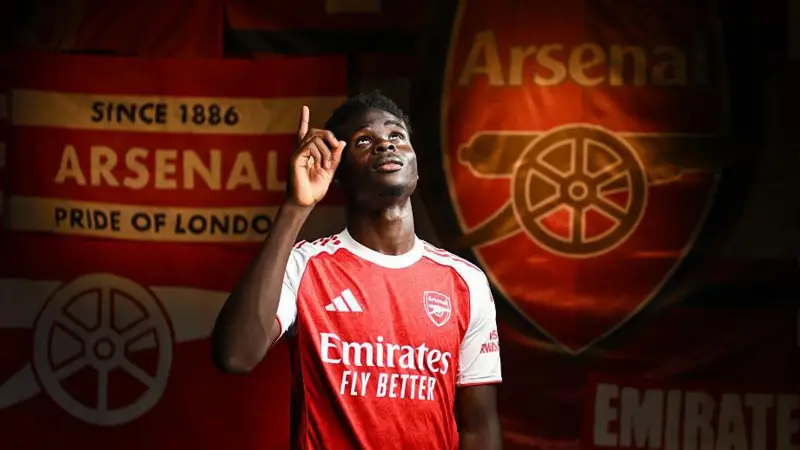
Arsenal’s core—Raya, Saliba, Gabriel, Rice, Ødegaard, Saka—has grown together through the pressure cooker of consecutive title races. The message from the manager is clear: standards from within must exceed demands from outside, and the group has embraced that edge. Mikel Arteta has spoken about new arrivals “shaking things up” and injecting fresh energy into a group that already believes it can go one better.
Leadership is settled, not up for debate. Arteta reaffirmed Martin Ødegaard as captain after a player vote—“by a mile”—underscoring stability and trust in the dressing room. It’s a quiet but significant marker: no mixed signals, no distractions, just a clear voice guiding a mature squad.
The summer recruits and their value
Arsenal didn’t shop for headlines; they shopped for fit. Six signings address finishing, control, rotation, and resilience across the spine and the edges of the squad.
| Player | Role | From club | What they add |
|---|---|---|---|
| Viktor Gyökeres | Striker | Sporting CP | Penalty-box presence, repeat runs, ruthless finishing—answers the long-missing No. 9 profile. |
| Martin Zubimendi | Midfielder | Real Sociedad | Press-resistant pivot, line-breaking passes, balance next to Rice and behind Ødegaard. |
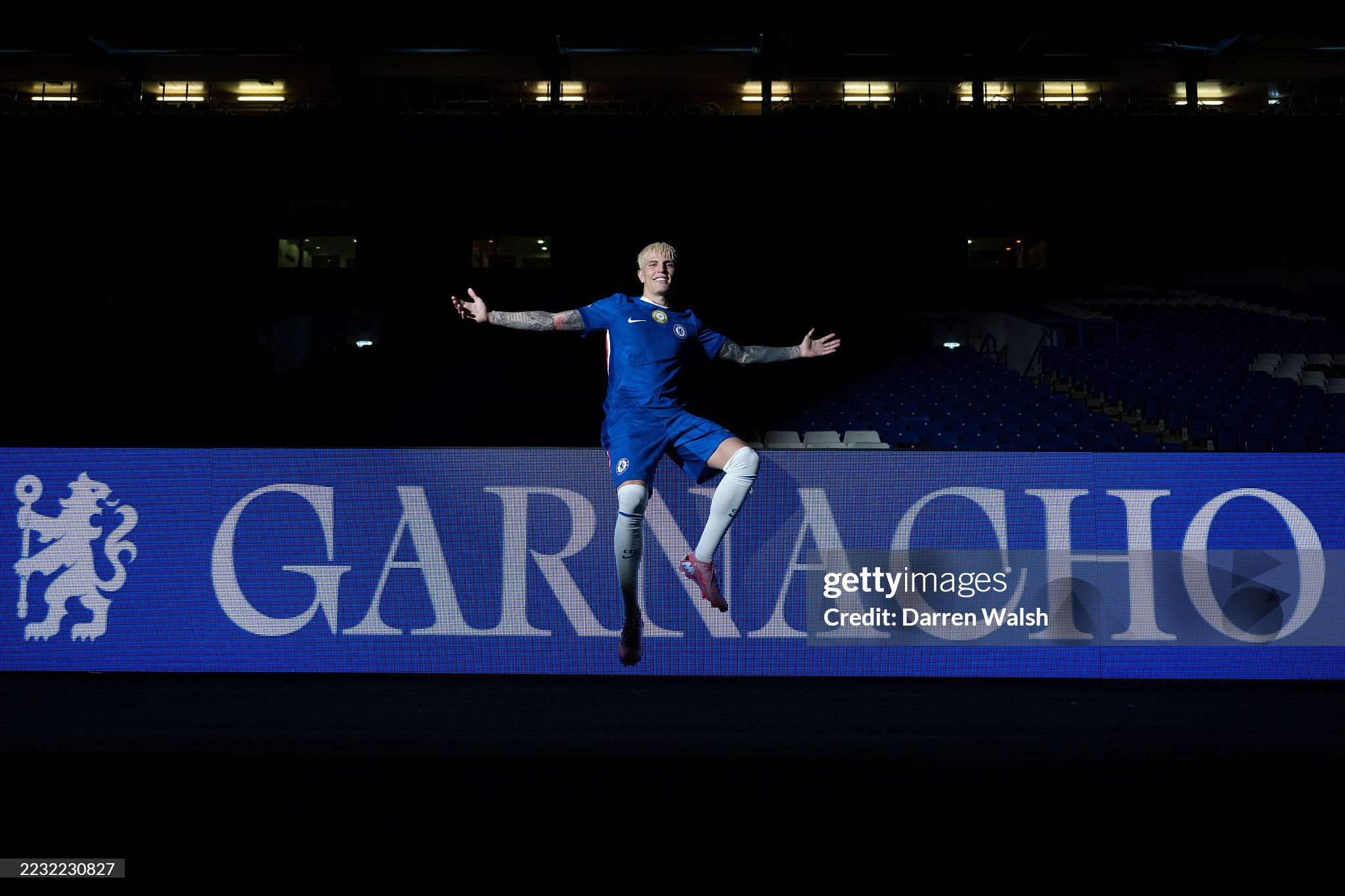
| Noni Madueke | Winger | Chelsea | Directness, left–right flexibility, shots and touches in the area, rotation, and threat wide. |
| Cristhian Mosquera | Defender | Valencia | Progressive defending, recovery pace, succession planning across the back line. |
| Christian Nørgaard | Midfielder | Brentford | Defensive nous, game management, foul IQ—closes games that once slipped away. |
| Kepa Arrizabalaga | Goalkeeper | Chelsea | Experienced depth; maintains distribution standards and competition for Raya. |
Two details matter symbolically and tactually. First, Gyökeres arrives to end the “no specialist No. 9” debate. He is the point of the spear Arsenal have lacked at the sharpest moments, the finishing reference that turns waves of pressure into goals. Second, he takes the No. 14 shirt—heritage with expectation, and a public embrace of responsibility.
Identity, sharpened
This team now has layers to win in different ways.
- Control: The Zubimendi–Rice–Ødegaard triangle can dominate tempo, progress play under pressure, and smother counters. When game states demand steel, Nørgaard transforms midfield into a lock without sacrificing structure.
- Width and detail: Madueke offers verticality and shots from either flank, protecting Saka and rebalancing the attack when teams overload the right. He forces back lines to honor both sides, opening central lanes for Ødegaard and the No. 9.
- Defensive depth: Mosquera future-proofs the back line and sustains the high line’s demands across a long season. With a settled Saliba–Gabriel axis, rotation no longer means a drop-off in aggression or composure.
- Finishing edge: Gyökeres changes the gravity of the penalty area—near-post darts, second-phase sniffing, turnovers punished quickly. Title races are decided by six-yard-box moments; Arsenal have bought those moments.
Old Trafford, opening statement
This is not just a curtain-raiser; it’s a credibility test. Arsenal finished 32 points ahead of Manchester United last season, yet Old Trafford remains one of the league’s mythic stages. United have lost only two of their last 18 home league games against Arsenal—both under Arteta—which tells you this Arsenal knows how to win there, and also how hard it is.
Both sides spent big. United’s forward line has been revamped, but Arsenal’s upgrades are about refinement: Gyökeres provides the cutting edge Arteta has sought, while Zubimendi slots in to a midfield that already suffocates opponents. Expect Arsenal’s XI to reflect that balance, with Gyökeres leading the line and Zubimendi anchoring alongside Rice and Ødegaard.

What will decide the title run?
- Ruthlessness in both boxes: Arsenal already controls territory and chances; the season turns on converting dominance and protecting small leads.
- Injury-proof rotation: The new depth reduces the risk of identity loss when one star sits.
- Set-piece edge: Keep the marginal gains; they win tight away days in February.
- Late-game management: Nørgaard time, five subs, and smarter game states—no more chaotic finales.
- Big-six clarity: Results at places like Old Trafford are more than points; they reinforce belief and bend opponents’ plans.
Arsenal feel inevitable because their football now has an answer for most questions. Talent with scars is dangerous. And this afternoon in Manchester, they have the chance to announce what the rest of the season intends to confirm: the nearly-men have come to finish the job.