


The Hook
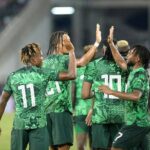
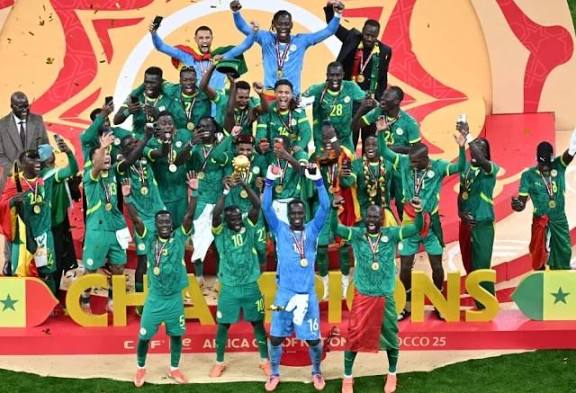
Senegal didn’t just win AFCON 2025 — they controlled it.
From tactical discipline to squad depth, the Teranga Lions didn’t merely outplay opponents; they outclassed the tournament itself.
But dominance always invites a bigger question in African football:
Is Senegal showing the way forward — or quietly closing the door behind them?
This isn’t about envy or praise. It’s about impact.
Because when one nation rises so far ahead, the entire ecosystem shifts.
Why This Conversation Matters
AFCON has always thrived on unpredictability — new finalists, surprise runs, underdogs shaking giants. Senegal’s recent supremacy challenges that identity.
- Back-to-back deep runsnaWhy AFCON Is Still Africa’s Most Emotional Tournament
- Tacticalcontinuity
- Institutional stability
- Elite player development pipelines
The question isn’t whether Senegal deserve their success — they do.
The question is what their dominance means for the rest of Africa.
Senegal as a Blueprint: What They’ve Got Right
1. Long-Term Planning Over Short-Term Fixes
Senegal’s success didn’t begin in 2025. It’s the result of 15+ years of deliberate investment:
- Youth academies aligned with national philosophy
- Consistent coaching structures
- Minimal political interference in team selection
Where many African nations rebuild every two years, Senegal refines.
2. Tactical Identity That Travels
Senegal don’t rely on flair alone. Their system is:
- Physically dominant
- Defensively compact
- Transition-efficient
This makes them effective:
- At AFCON
- In World Cup qualifiers
- Against European opposition
They’ve mastered tournament football, not just expressive football.
3. European Integration Without Identity Loss
Many Senegalese players develop in Europe — but return tactically educated, not disconnected.
- Clear roles
- Tactical discipline
- Collective responsibility
Unlike teams that collapse under ego or star dependence, Senegal operate as a unit first, stars second.
But Here’s the Other Side: When Dominance Becomes a Barrier
1. Competitive Imbalance Is Growing
Senegal’s structural advantage highlights uncomfortable truths:
- Not all African FAs start from the same line
- Governance quality now determines success more than talent
- Smaller nations risk becoming perpetual participants, not contenders
AFCON risks drifting toward predictability — the very thing that once set it apart.
2. CAF’s Uneven Playing Field
Senegal’s rise exposes broader systemic issues:
- Poor domestic league funding in many countries
- Inconsistent refereeing standards
- Weak grassroots infrastructure outside a few elite nations
Senegal didn’t create these problems — but their dominance magnifies them.
3. Psychological Barrier for Other Nations
Repeated losses to the same opponent change mindsets. Teams now face Senegal with:
- Caution instead of confidence
- Damage limitation tactics
- Fear of collapse
In football, belief is currency. Senegal currently own the market.
Is This Good or Bad for African Football?
The honest answer: both.
Good Because:
- Senegal raise performance standards
- They prove African teams can be tactically elite
- They offer a replicable model — not an impossible miracle
Risky Because:
- Without reform, the gap widens
- AFCON’s unpredictability erodes
- Success becomes structural, not competitive
The problem isn’t Senegal winning.
The problem is others failing to adapt.
The Real Question Isn’t Senegal — It’s the Rest of Africa
Senegal are not blocking progress.
They are exposing stagnation.
Their success asks every federation uncomfortable questions:
- Where is your long-term plan?
- Who controls football decisions?
- Why does talent keep failing to translate into trophies?
Until those questions are answered, Senegal will keep winning — and deservedly so.
Final Thought
AFCON 2025 didn’t crown a new king.
It confirmed a system that works.
Whether Senegal become a blueprint or a barrier depends entirely on whether African football chooses reform over excuses.
#AFCON2025#SenegalFootball#AfricanFootball#CAF#AFCONAnalysis#FootballDevelopment#AfricanSports#TerangaLions