




The final whistle at Old Trafford echoed with the familiar, gut-wrenching sound of a narrow defeat. A solitary goal, a defensive lapse from a set-piece, and Manchester United’s new era under Ruben Amorim began with a loss. Yet, for any true connoisseur of the game, for anyone with a sense of history and an eye for nuance, this was not a defeat. This was a declaration. A statement of intent. A profound, almost spiritual, improvement that should ignite the embers of hope within every Red Devil’s soul.
Let us not be hoodwinked by the stark, unforgiving reality of the scoreline. Yes, it was a loss. Yes, it adds another defeat to Ruben Amorim’s Premier League tally, bringing it to a sobering 13 in 28 matches—a statistic that will be gleefully brandished by the cynics and the detractors. But a deeper inspection of the game reveals a transformation so radical, so profound, that it renders such a number moot. This was not the timid, disjointed, and often listless Manchester United of last season, a side that finished a miserable 15th and looked incapable of stringing two passes together. This was a team reborn.
From the first whistle, a vibrant, aggressive, and cohesive unit emerged. The tactical blueprint of Ruben Amorim, a 3-4-3 system he has meticulously honed and perfected, was on full display. The pressing was ferocious, the movement fluid, and the intent palpable. We saw a team that sprinted more, that was braver, and that consistently engaged in one-on-one battles across the pitch. This was not about a new system; as Amorim himself has said, the system is overrated. This was about a new mindset. A fearless, front-foot approach that had been absent from Old Trafford for far too long.
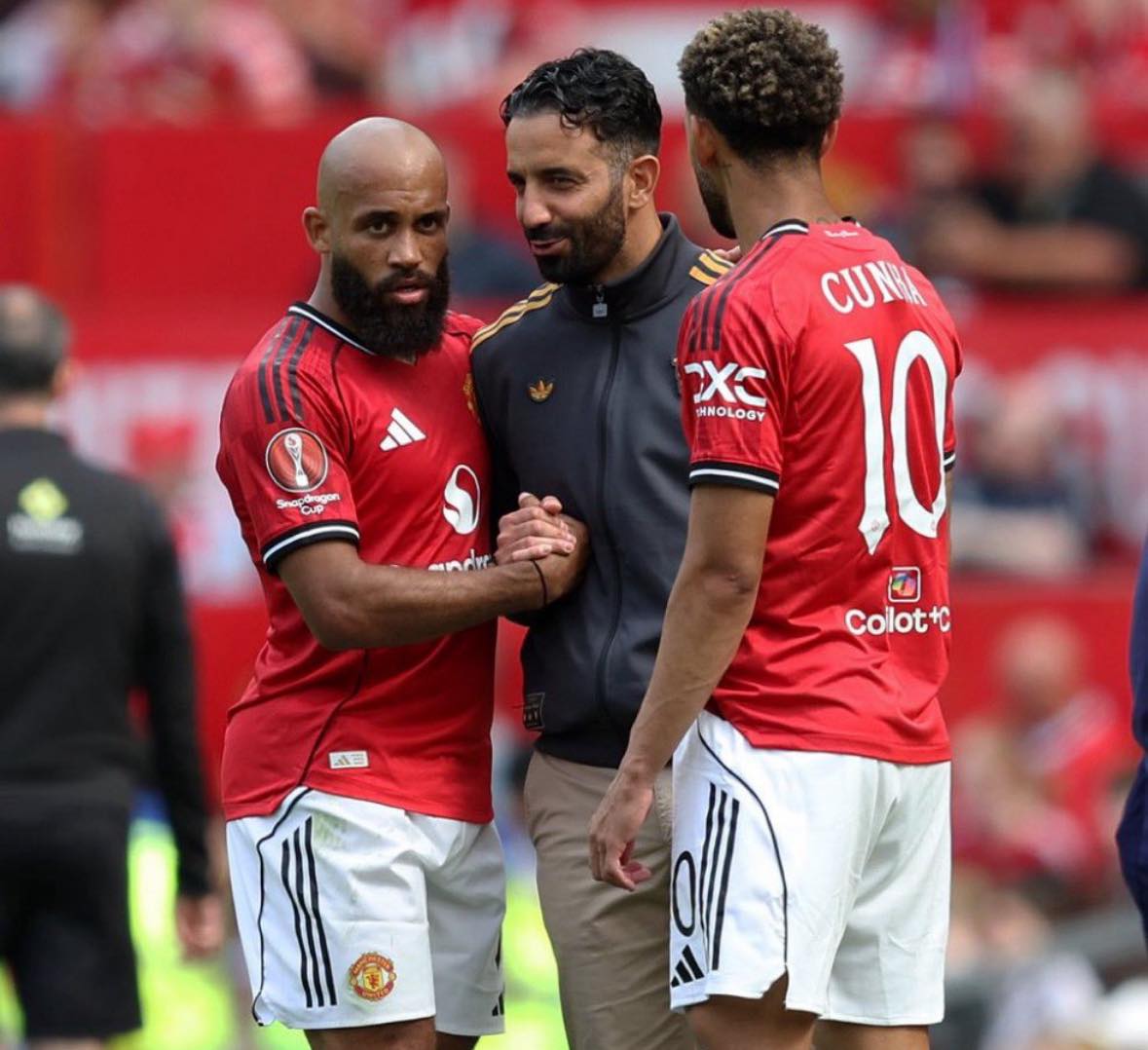
The newly forged attacking trident, a testament to the club’s aggressive and strategic summer spending, showcased flashes of genuine brilliance. Matheus Cunha, a player of immense talent and grit, was a constant thorn in Arsenal’s side, his powerful runs and intelligent link-up play a refreshing sight. Bryan Mbeumo, another crucial piece of the puzzle, demonstrated his pace and eye for goal, testing the formidable David Raya with a strong header. These were not the isolated, desperate forward forays of last season; these were coordinated, systematic attacks, creating a steady stream of opportunities that, on another day, would have yielded a different result. The statistics don’t lie: United had 22 shots to Arsenal’s nine and dominated possession with over 61%. This was a game they controlled, a game they deserved something from.
The loss, in its way, was a lesson in the fine margins that separate good teams from great ones. The winning goal came from a defensive error on a set-piece, a lingering weakness that the team must address. It was a harsh reminder that progress is not linear and that the journey back to the top is fraught with challenges. But what is a single error in the face of such overwhelming improvement? What is one goal when the entire performance was a symphony of positive change?
This is a side with no European distractions, a crucial advantage that will allow Amorim to instill his philosophy without the burden of a grueling midweek schedule. This is a side with new, dynamic signings who are not only technically gifted but have the mentality to lift the team. This is a side that has shown it can go toe-to-toe with one of the league’s perennial title contenders.
So, should Manchester United dream of big things this season? Absolutely. This game, despite the result, was a testament to the fact that the club is on the right track. The foundation has been laid. The seeds of a new, glorious era have been sown. The loss to Arsenal was not an omen of failure, but a powerful indicator of the monumental leap forward the team has taken. The journey has just begun, and if this first game is any indication, the road ahead is paved with promise, potential, and the undeniable sense that Manchester United is, finally, back on the rise.