




Nigeria is in the running to make history by hosting the 2030 Commonwealth Games in Abuja, a landmark event that would be the first of its kind on African soil. The bid is not merely about a sporting event; it’s a statement of national ambition, a test of sports diplomacy, and a strategic move to leverage the long-term impacts of big infrastructure projects. With a formal proposal submitted to the Commonwealth Sport Bid Evaluation Committee, Nigeria is showcasing its commitment to a world-class, inclusive, and legacy-focused Games.
What Nigeria Has Done (and Needs to Do) to Host the 2030 Commonwealth Games
Nigeria’s commitment to the bid is backed by high-level political support. The government has submitted a formal proposal and extended a letter of guarantee to the Commonwealth Games Federation. President Bola Tinubu, through his Chief of Staff, has assured the bid evaluation committee that all infrastructural, security, and hospitality needs will be met ahead of schedule.
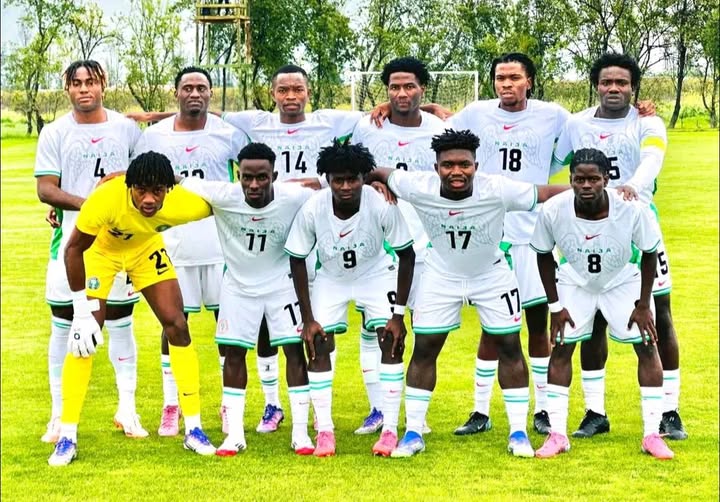
A significant step was the recent visit of the Commonwealth Sport Bid Evaluation Committee to Abuja. This visit allowed Nigerian officials, including the National Sports Commission Chairman, to present a comprehensive proposal highlighting key plans and innovations. A notable element of Nigeria’s bid is the proposal to include football, which would not only boost excitement and visibility but also provide a powerful new dimension to the Games.
Looking forward, the country’s success hinges on a few key areas:
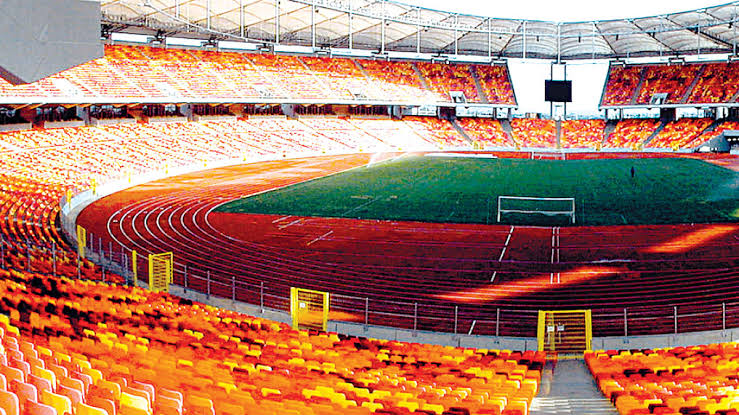
- Infrastructure Delivery: The bid committee’s promise to meet all infrastructural needs ahead of schedule is crucial. This includes not just new stadia and arenas, but also the supporting road networks, accommodation for athletes and visitors, and a reliable power supply. The effective and timely completion of these projects will be a major factor in the final decision.
- Financial Guarantees: Securing the necessary funding and demonstrating financial sustainability is paramount. The bid committee must provide robust financial models to alleviate any concerns, particularly in light of the economic challenges that led to a previous host’s withdrawal.
- Leveraging Political Will: The bid has strong political support, and maintaining this momentum is essential. Continued collaboration between all levels of government and private sector partners will be key to a successful campaign.
Economic & Infrastructural Implications: Benefits & Risks
Hosting a major multi-sport event like the Commonwealth Games presents both significant opportunities and considerable risks.
Benefits:
- Accelerated Infrastructure Development: The need to prepare for the Games can fast-track the development of critical infrastructure, such as transportation, sports facilities, and hospitality sectors. These projects can then serve the public long after the Games are over, contributing to long-term national development.
- Economic Stimulus: The event would generate an economic boom through tourism, job creation in construction and services, and increased foreign investment. It would also provide a massive platform for showcasing Nigerian culture, commerce, and talent to a global audience.
- Brand Building and Soft Power: A successful hosting of the Games would significantly enhance Nigeria’s international reputation, positioning the country as a major player in global sports diplomacy and a capable host for other major events in the future.
Risks:
- Financial Overruns: Mega-events are notorious for exceeding their budgets, which can place a heavy burden on public finances. Nigeria must have a clear and realistic budget to avoid the pitfalls that have plagued past hosts.
- “White Elephant” Projects: There is a risk of building expensive, single-use facilities that fall into disuse after the event, becoming a drain on public resources rather than a long-term asset. The bid’s focus on legacy and using the Games to drive national development suggests a plan to mitigate this, but execution is key.
Lessons from Previous Hosts and How Abuja Can Match Up
Nigeria’s bid committee has likely studied the experiences of previous host cities. The most prominent lesson comes from Durban, South Africa, which was awarded the 2022 Games but had to withdraw due to financial difficulties. This serves as a critical cautionary tale, highlighting the importance of a financially sound and realistic plan from the outset. Abuja’s bid must demonstrate fiscal prudence to stand out.
Conversely, the success of cities like Birmingham (2022) and the legacy of the 2010 Games in Delhi, India (which is also bidding for 2030), provide a positive blueprint. These cities effectively integrated the Games into their urban development plans, using them to regenerate areas, boost tourism, and create a lasting legacy for local communities.
Abuja can match up by:
- Focusing on Legacy: The bid committee’s emphasis on a legacy for youth and national development is the right approach. By ensuring new infrastructure serves the long-term needs of the community, Nigeria can avoid the “white elephant” syndrome.
- Showcasing Passion and Diversity: The bid evaluation committee has already been impressed by the passion of the Nigerian people. By highlighting the country’s rich culture and diversity, Abuja can offer a unique and memorable experience that sets it apart from other bidders.
- Building on Existing Strengths: Instead of starting from scratch, Nigeria can build on existing sports infrastructure and a passionate sports culture to deliver a successful event.
Keywords: Nigeria, 2030 Commonwealth Games, Abuja, Commonwealth Games bid, sports diplomacy, Nigerian economy, infrastructure, sports development in Africa.
#CommonwealthGames #Abuja2030 #Nigeria #SportsInAfrica #SportsDiplomacy #Abuja #CWG2030 #NigeriaSports